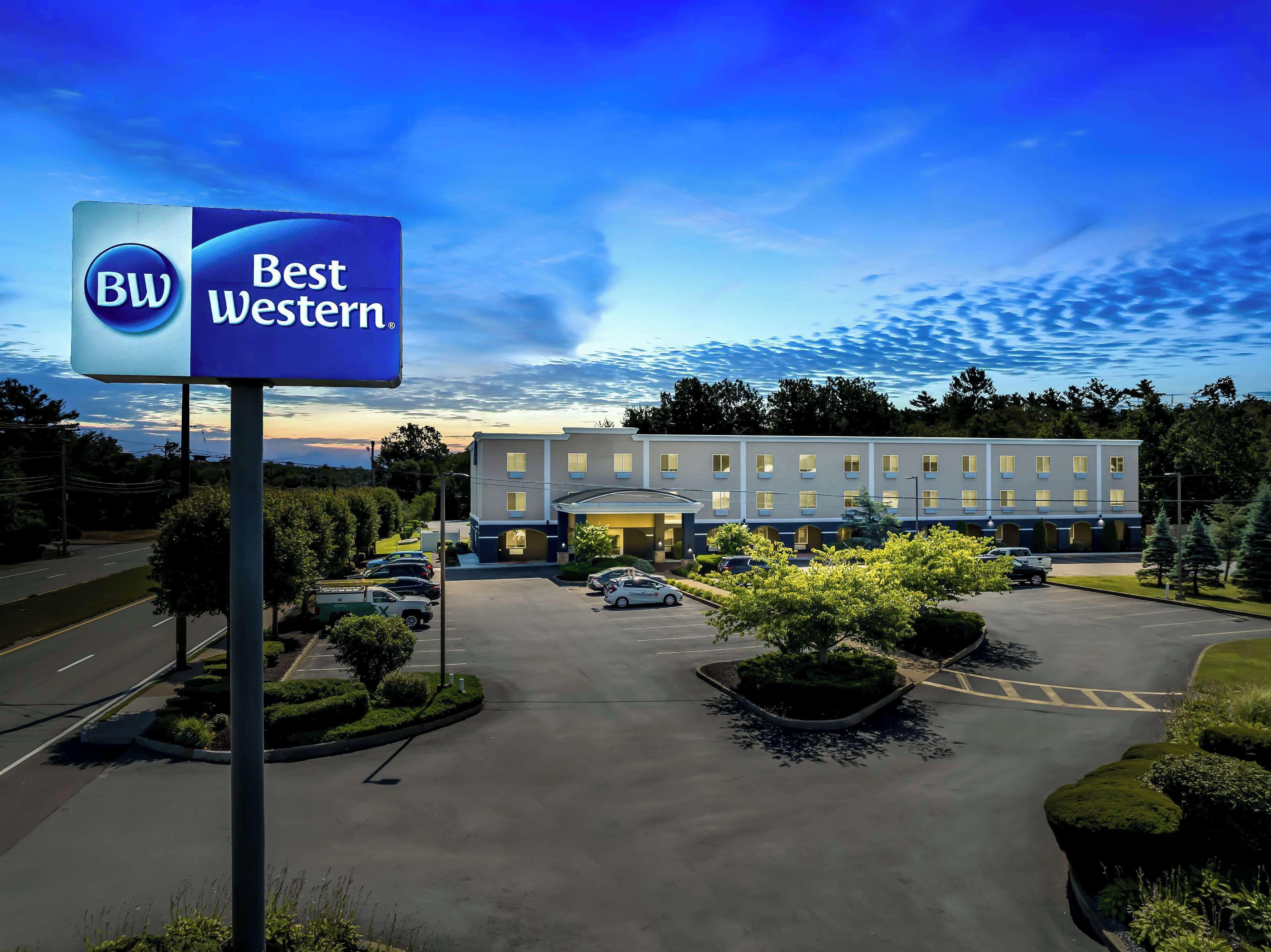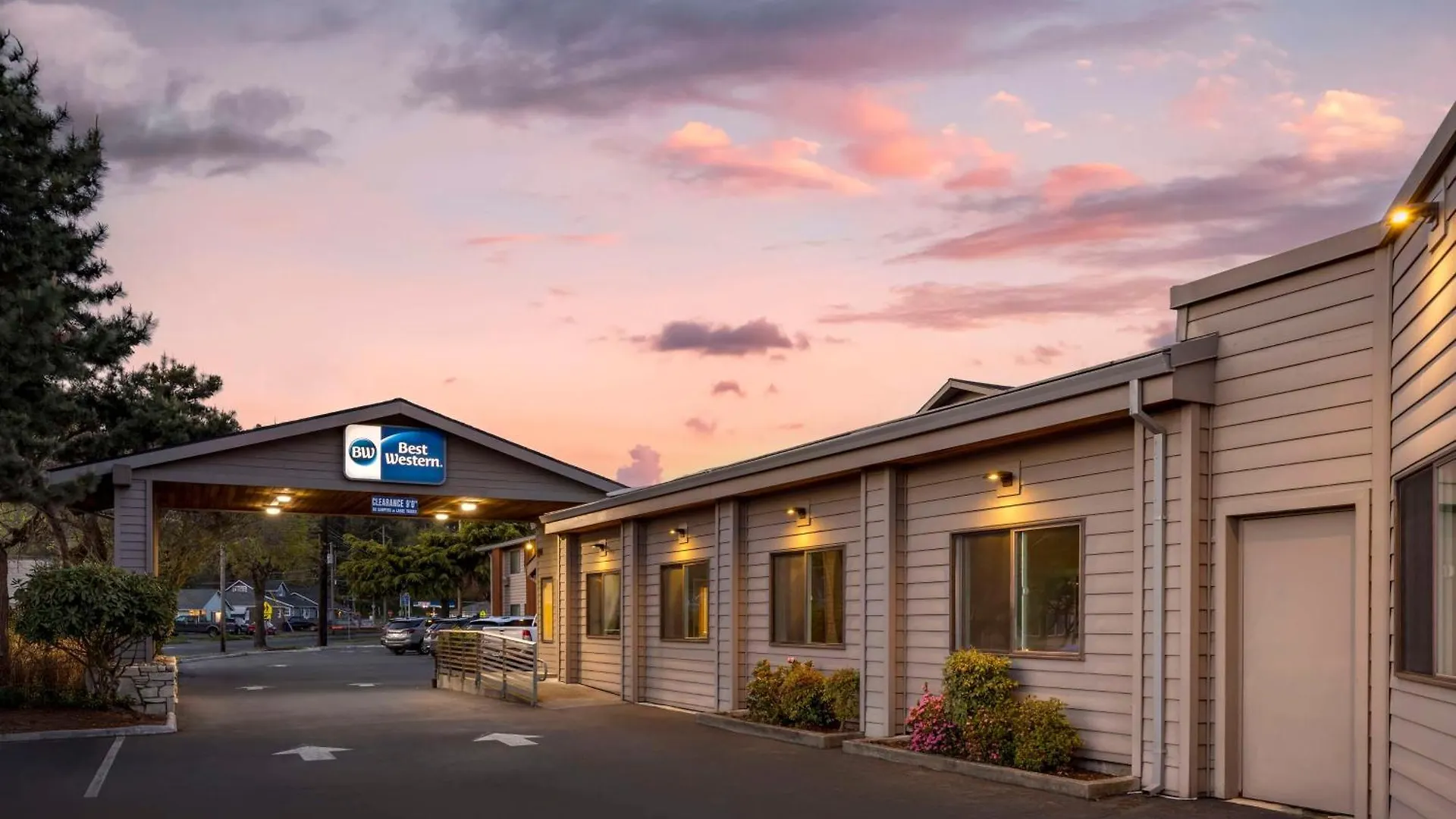
Washington State stretches from the Cascade Mountains to the Pacific Coast, covering over 71,000 square miles of dramatically varied terrain - and Best Western hotels are strategically positioned throughout the state to serve road trippers, families, and business travelers alike. Whether you're heading toward Mt. St. Helens, exploring the Olympia area, or passing through the Snoqualmie Valley on US-2, this guide breaks down exactly which Best Western property fits your route and travel style.
What It's Like Staying in Washington State
Washington State is built for road travel. Unlike urban-focused destinations, most of the state's key attractions - Mt. Rainier, Mt. St. Helens, the Columbia River Gorge, and North Cascades National Park - require a car, and distances between towns can run well over 100 miles. Most travelers rely on I-5, US-2, or SR-14 as their primary corridors, making highway-accessible hotels a practical necessity rather than a compromise. Seattle draws the heaviest tourist traffic, but the state's real character lives in smaller cities like Olympia, Cle Elum, and Kelso, where crowds are thinner and prices are noticeably lower.
Pros:
- Extraordinary natural diversity - volcanoes, rainforests, desert landscapes, and coastal areas all within one state
- Lower hotel prices outside Seattle, with strong value in corridor towns like Tumwater and Monroe
- Well-maintained highway network making multi-stop road trips logistically straightforward
Cons:
- Rain is persistent from October through April, especially west of the Cascades - outdoor plans need contingencies
- Public transit outside Seattle is limited, making a rental car essentially mandatory for most itineraries
- Summer weekends near national parks and volcanic monuments see sharp price spikes and reduced availability
Why Choose Best Western Hotels in Washington State
Best Western properties in Washington State occupy a practical sweet spot: they're typically positioned along major state routes and interstates, making them reliable overnight stops for travelers covering large distances across the state. Rates at these properties regularly come in under $150 per night, well below comparable lodging near Seattle's core, and most include complimentary hot breakfast - a feature that meaningfully cuts daily travel costs. Unlike independent motels at similar price points, Best Western locations here consistently offer indoor or outdoor pools, fitness centers, and free parking, which are critical amenities when traveling with family or arriving after long highway drives.
Pros:
- Free hot breakfast included at most locations, reducing daily out-of-pocket expenses by a meaningful margin
- Free parking at every listed property - a non-trivial advantage in a car-dependent state
- Consistent amenity standards (pool, fitness center, free WiFi) across locations regardless of town size
Cons:
- Properties are spread across smaller towns, not suited for travelers wanting walkable urban access
- Room sizes and decor quality vary noticeably between properties despite shared branding
- Limited on-site dining beyond breakfast - dinner requires driving, sometimes several miles
Practical Booking & Area Strategy
For travelers using I-5 as their north-south spine, the Kelso and Tumwater locations provide clean stopover logic - Kelso sits at the SR-505 junction near the Lewis and Clark route, while Tumwater places you within 7 km of the Washington State Capitol campus in Olympia. The Monroe property on US-2 is the gateway to Stevens Pass and the Cascades, making it the strongest base for ski season travel or summer mountain access. Cle Elum's Snowcap Lodge sits on the eastern slope of the Cascades at around 550 meters elevation, giving direct access to Suncadia Resort trails and Lake Cle Elum - book this one at least 6 weeks in advance for summer weekends. Woodland's Best Western sits minutes from the Columbia River and the Lewis River corridor, functioning as a logical base for exploring both southern Washington and northern Oregon without paying Portland hotel premiums.
Best Value Stays
These three properties deliver strong practical value for highway travelers, families, and outdoor-oriented visitors seeking reliable amenities without premium pricing.
-
1. Best Western Aladdin Inn
Show on map


 Check-infrom 15:00 until 22:00Check-outfrom 06:00 until 12:00
Just a few rooms left at the best rate!
fromUS$ 82
-
2. Best Western Woodland Inn
Show on map


 Check-infrom 15:00 until 23:59Check-outuntil 11:00
Just a few rooms left at the best rate!
fromUS$ 86
-
3. Best Western Tumwater-Olympia Inn
Show on map


 Check-infrom 15:00 until 23:59Check-outuntil 11:00
Hurry – almost gone at this price!
fromUS$ 140
Best Premium Picks
These two properties offer elevated amenity sets and destination-specific positioning, suiting travelers whose stay is anchored to a specific outdoor or regional experience.
-
4. Best Western Snowcap Lodge
Show on map


 Check-infrom 16:00 until 23:59Check-outfrom 01:00 until 11:00
Hurry – almost gone at this price!
fromUS$ 120
-
5. Best Western Sky Valley Inn
Show on map


 Check-infrom 15:00 until 23:59Check-outuntil 12:00
Rooms filling fast – secure the best rate!
fromUS$ 114
Smart Travel & Timing Advice for Washington State
Washington State's travel calendar splits sharply at the Cascade crest. West of the mountains, the window from late June through September delivers the most reliable dry weather, with July and August seeing occupancy climb sharply at properties near Mt. St. Helens, Olympic National Park, and the Columbia Gorge. Book summer weekends at Kelso, Woodland, and Cle Elum at least 5 weeks out to avoid both sold-out inventory and mid-week premium pricing that spills over from resort areas. East of the Cascades - relevant for Cle Elum and the Snowcap Lodge - the ski season from December through March brings the second major demand spike, when weekend rates rise and availability tightens around Stevens Pass and Crystal Mountain corridors. The shoulder months of April-May and October deliver the best rate-to-experience ratio statewide: crowds are thinner, lodging costs drop noticeably, and wildflower seasons in the Cascades peak in late May. Tumwater and Monroe hold relatively stable pricing year-round, making them reliable last-minute options outside summer peak. For fly-drive itineraries entering through Seattle-Tacoma International Airport, plan for at least 4 nights to meaningfully cover two or more regions without spending the majority of each day driving.