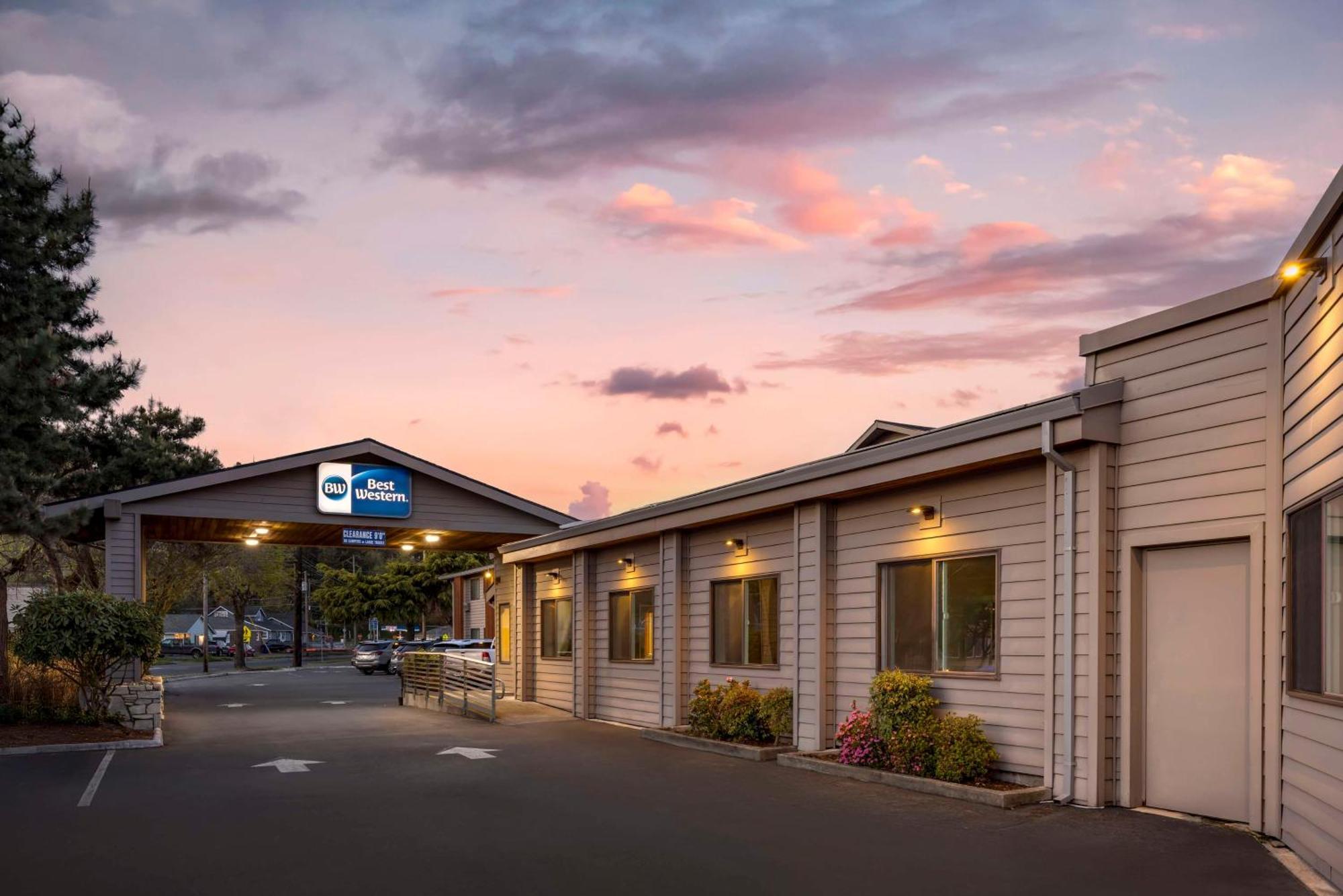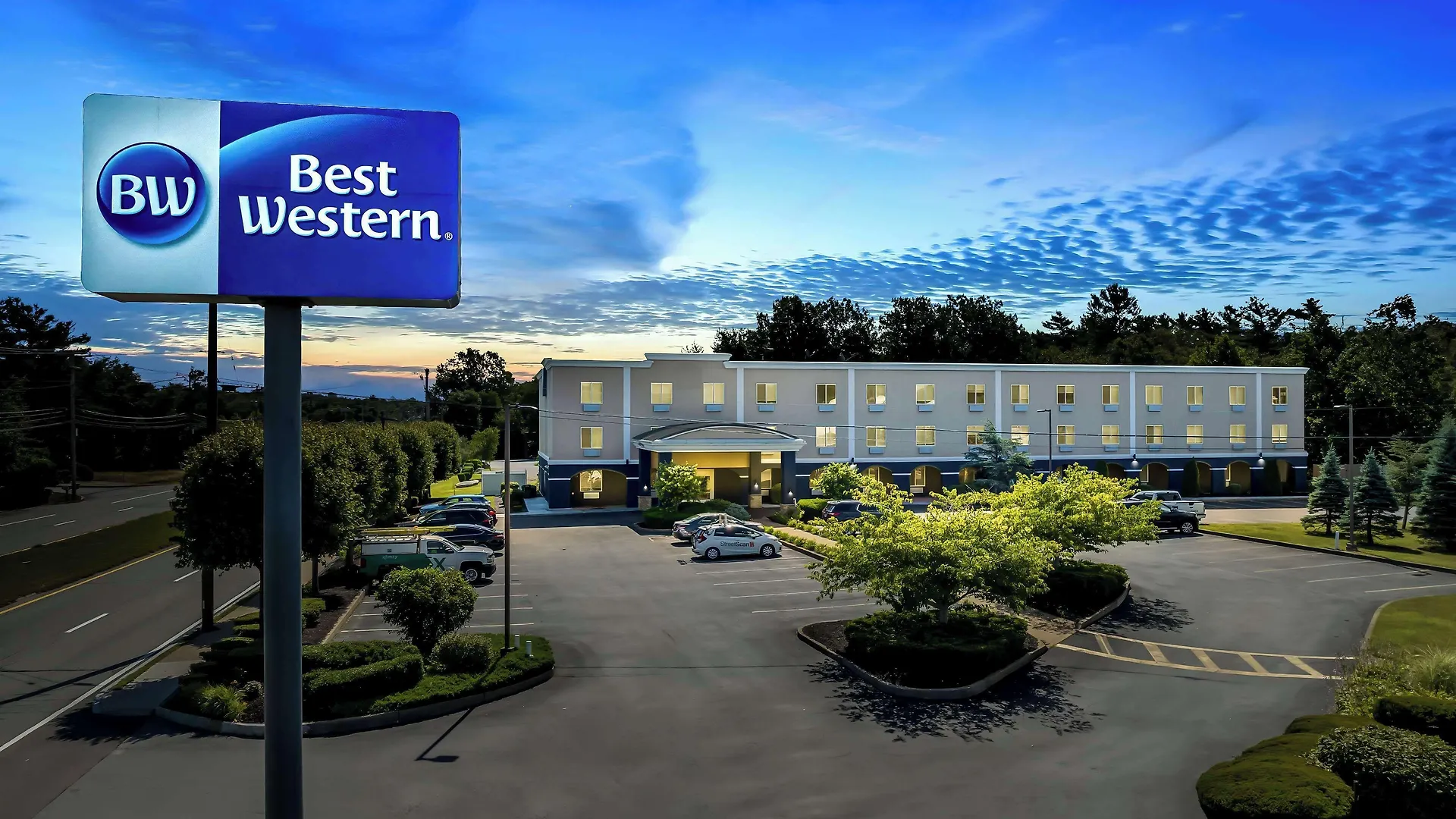
Massachusetts packs colonial history, coastal scenery, and urban energy into one of New England's most visited states. Whether you're heading to Boston's Freedom Trail, the whaling heritage of New Bedford, or the Pioneer Valley around Springfield, Best Western hotels in Massachusetts offer consistent mid-range reliability across the state's most strategic locations - without the unpredictability of independent properties.
What It's Like Staying in Massachusetts
Massachusetts is one of the most logistically dense states on the East Coast, where a single day can move you from a colonial harbor town to a major university city and back. Public transit is strong around Boston, but outside the MBTA network - in areas like Dartmouth, Rockland, or West Springfield - a car is effectively required. Crowds peak hard between June and October, especially along the South Shore and Cape Cod corridor, which pushes accommodation demand up significantly during summer weekends.
Travelers who benefit most from basing here include history-focused visitors, college families, and business travelers rotating between Boston's satellite cities. Those seeking a purely urban, walkable trip may find Massachusetts' mid-state and coastal towns require more planning than expected.
Pros:
- Rich concentration of historic sites, museums, and coastal parks within short driving distances of most hotel locations
- Strong highway infrastructure (I-90, I-93, Route 3) makes inter-city travel efficient for road-based itineraries
- Around 4 seasons of distinct travel experiences, from foliage in October to summer beaches and winter academic events
Cons:
- Outside Boston, most attractions are car-dependent, adding planning complexity for travelers without a vehicle
- Summer weekends near the South Shore and Cape Cod see heavily elevated hotel rates and road congestion
- Parking in Boston and Cambridge is expensive and limited, making suburban hotel stays with free parking a practical necessity for many visitors
Why Choose a Best Western Hotel in Massachusetts
Best Western properties in Massachusetts consistently deliver free parking and free Wi-Fi - two amenities that carry real weight in a state where urban parking can cost over $30 per night and connectivity is essential for both business and leisure travelers. Rates at Best Western locations here typically run below comparable chain competitors by around 20%, positioning them well for multi-night stays near Boston's suburbs or western Massachusetts cities. Room sizes are standard mid-range - functional rather than spacious - and most properties include in-room microwaves and refrigerators, reducing food costs for longer trips.
The key trade-off is location: Best Western hotels in Massachusetts are largely suburban or highway-adjacent, meaning walkability scores are low. They're best suited to travelers with a car who prioritize value, predictability, and included amenities over boutique character or city-center access.
Main advantages of Best Western hotels in Massachusetts:
- Free parking included at all four properties - a practical saving in a state where paid lots are standard near most attractions
- Breakfast included or available on-site at every location, reducing daily costs on multi-night stays
- Consistent in-room amenities (microwave, fridge, flat-screen TV) suited to both business travelers and visiting families
Main trade-offs in this specific zone:
- All properties are suburban or highway-corridor locations - not walkable to major city-center attractions
- Standard room footprints leave little space for groups or travelers with significant luggage or equipment
- Limited on-site dining options beyond breakfast; dinner requires driving to nearby restaurants in most cases
Practical Booking & Area Strategy in Massachusetts
Positioning matters significantly across Massachusetts given how spread out the state's key destinations are. Braintree sits on the MBTA Red Line, putting Boston and Cambridge within roughly 30 minutes by subway - making it the strongest pick for travelers who want suburban pricing with genuine city access. Rockland, on the South Shore, places you midway between Boston and Plymouth, with Accord Pond and conservation trails nearby for outdoor breaks between driving days. Dartmouth is the right base for exploring the New Bedford Whaling National Historical Park and the coastal towns of Buzzards Bay, while West Springfield anchors the Pioneer Valley with Six Flags New England and the MassMutual Center within a short drive.
Book at least 6 weeks ahead for summer travel, particularly for South Shore and Braintree properties, where leisure demand from Boston day-trippers and college move-in periods compresses availability fast. Fall foliage season in October is a secondary peak across western Massachusetts, affecting Springfield-area properties. For off-peak value, January through March offers the lowest rates and easiest availability statewide, though coastal attractions operate on reduced schedules.
Best Value Stays
These properties offer the strongest cost-to-amenity ratio for travelers focused on accessing Massachusetts' key regions without overpaying for central locations.
-
1. Best Western Dartmouth-New Bedford
Show on map


 Check-infrom 16:00 until 23:59Check-outuntil 11:00
Just a few rooms left at the best rate!
fromUS$ 82
-
2. Best Western Springfield West Inn
Show on map


 Check-infrom 15:00 until 23:59Check-outuntil 11:00
Just a few rooms left at the best rate!
fromUS$ 69
Best Premium Stays
These properties offer stronger positioning for Boston-area access or added location advantages - delivering more strategic value for travelers with specific itinerary demands.
-
3. Best Western Braintree Inn
Show on map


 Check-infrom 15:00 until 23:59Check-outuntil 11:00
Hurry – almost gone at this price!
fromUS$ 99
-
4. Best Western Rockland
Show on map


 Check-infrom 15:00 until 23:59Check-outuntil 11:00
Rooms filling fast – secure the best rate!
fromUS$ 125
Smart Travel & Timing Advice for Massachusetts
Massachusetts tourism peaks sharply between late June and early September, when South Shore beaches, Cape Cod day trips, and Boston's summer calendar drive occupancy up across all suburban hotel corridors. Braintree and Rockland properties feel this pressure most directly due to their proximity to Boston and the coastal highway. October is the second peak period, driven by foliage tourism across central and western Massachusetts - Springfield-area hotels fill quickly around Columbus Day weekend. For the best rate-to-experience balance, mid-April through late May offers mild weather, open attractions, and hotel availability without summer pricing.
Most travelers visiting multiple Massachusetts regions benefit from a stay of at least 3 nights per base location - shorter stays don't allow enough time to reach coastal, historical, and urban attractions without feeling rushed. Book Braintree and Rockland properties at least 5 weeks in advance for summer travel; Springfield and Dartmouth offer more last-minute flexibility outside event weekends. Winter travel (January-February) delivers the lowest rates statewide, but coastal activities and some outdoor sites operate on limited schedules.