Finding affordable accommodation near Grand Canyon National Park is trickier than it looks. Lodging inside the park books out months in advance, and gateway towns like Tusayan charge a premium for proximity. This guide compares 4 budget-friendly hotels across the wider Grand Canyon region - from Page and Tuba City to Bellemont near Flagstaff - so you can pick the base that matches your itinerary without overpaying.
What It's Like Staying Near Grand Canyon
The Grand Canyon region spans a vast stretch of northern Arizona, meaning your choice of base dramatically changes your daily experience. Most visitors target the South Rim, which sits around 80 km south of the Colorado River's north edge, but gateway towns within a 2-hour drive - including Flagstaff, Page, and Tuba City - offer significantly cheaper rates and a less tourist-saturated atmosphere. Tusayan, the closest town to the South Rim entrance, sees some of the highest nightly rates in the state during summer, making budget planning essential. Crowd pressure at the main rim viewpoints peaks between late May and early September, and parking at popular trailheads fills by 6 a.m. on peak days, rewarding early risers or shuttle-reliant guests.
Pros:
- Unmatched natural spectacle with the South Rim accessible year-round by car or free shuttle
- Multiple gateway towns at different price points let budget travelers choose proximity vs. cost
- The region's dark skies make for exceptional stargazing with no urban light pollution
Cons:
- Distances between lodging and key viewpoints can be significant, requiring a car or timed shuttle use
- Dining options outside Tusayan and Flagstaff are limited, especially late at night
- Cell service is unreliable in many areas around the canyon, complicating navigation
Why Choose Budget Hotels Near Grand Canyon
Budget hotels in the Grand Canyon region offer a practical trade-off: lower nightly rates in exchange for more driving time to the rim. Properties in towns like Bellemont, Page, and Tuba City typically cost around 50% less per night than lodges inside or directly adjacent to the park. Room sizes at budget properties in this region tend to be standard motel-style, with functional amenities rather than resort extras - expect flat-screen TVs, en suite bathrooms, and free parking as standard, but not concierge tours or fine dining. For travelers who plan to spend most of their day outdoors hiking, rafting, or driving scenic routes, the savings on accommodation can fund additional activities like helicopter tours or river rafting permits. The key trade-off is logistics: arriving early at the canyon requires either a very early departure or overnight camping, which budget hotels cannot replicate.
Pros:
- Free parking is standard across most budget properties, removing a daily cost that adds up quickly in Tusayan
- Gateway town hotels often sit on or near historic Route 66, adding a road-trip dimension to the stay
- Proximity to Page means access to Antelope Canyon and Horseshoe Bend alongside Grand Canyon day trips
Cons:
- No on-site guided tours or ranger programs, which inside-park lodges occasionally offer
- Limited food options on-site; most budget hotels rely on nearby diners or fast food chains
- Driving to the South Rim from Page or Flagstaff adds around 2 hours each way, cutting into hiking time
Practical Booking & Area Strategy Near Grand Canyon
The most strategic base depends entirely on your itinerary. Tusayan is the closest town to the South Rim, sitting just 10 km from the south entrance, making it the logical choice if your entire trip centers on the canyon. Flagstaff, around 80 km southeast, offers the widest range of restaurants, services, and transport links - including Amtrak - and suits travelers combining the canyon with Route 66 or Sedona. Page, roughly 130 km northeast of the South Rim, works best for multi-attraction road trips combining Grand Canyon's North Rim, Antelope Canyon, and Lake Powell in one loop. Book at least 8 weeks ahead for summer visits, as affordable rooms across all gateway towns sell out fast once school holidays begin. The free South Rim shuttle system (open spring through fall) reduces the need for a car once you're inside the park, but getting to the park still requires your own transport from any gateway town.
Best Value Stays
These properties offer the lowest price points in the region, with solid essential amenities and strategic positions for road-trip-style Grand Canyon itineraries.
-
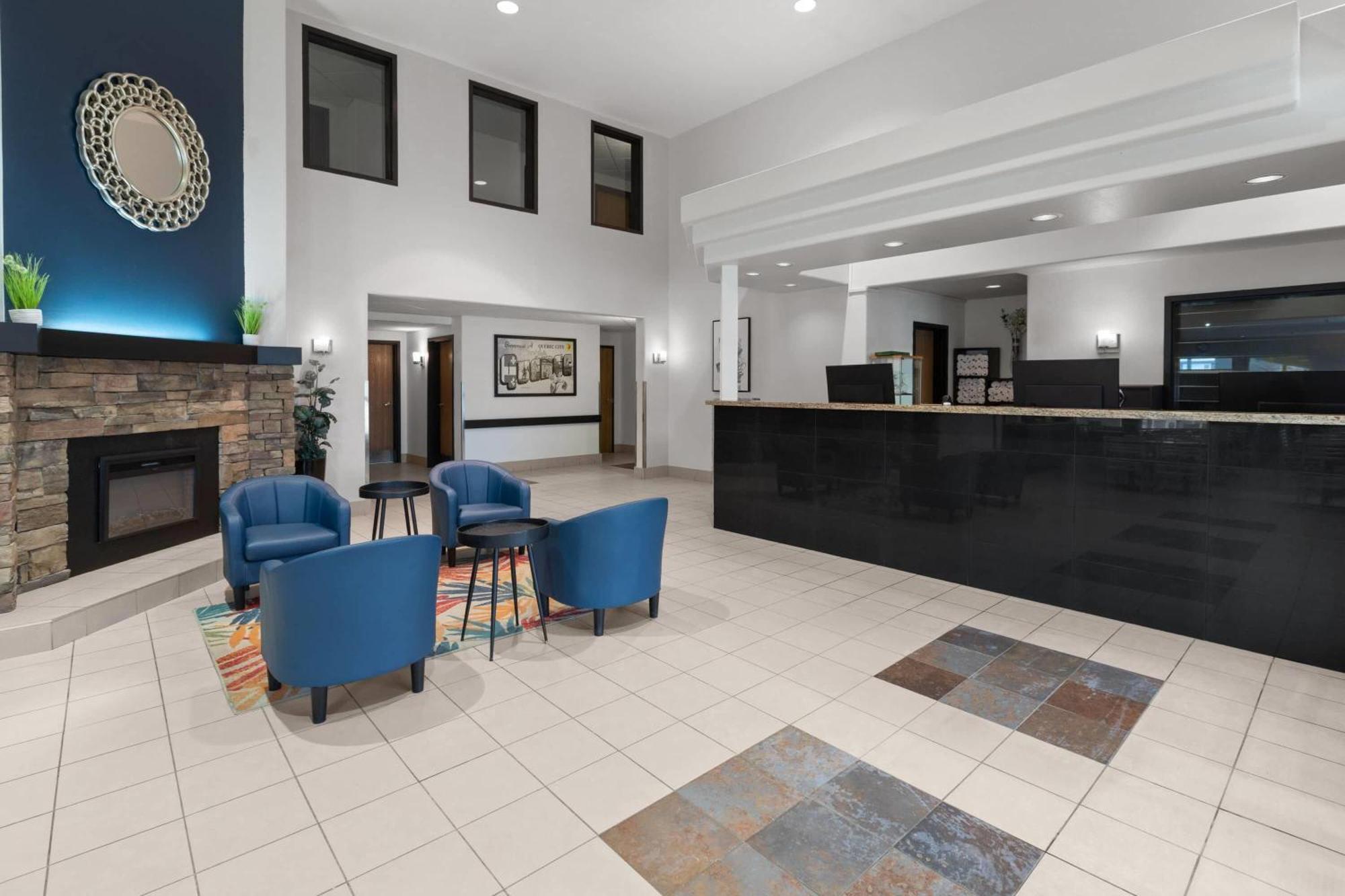
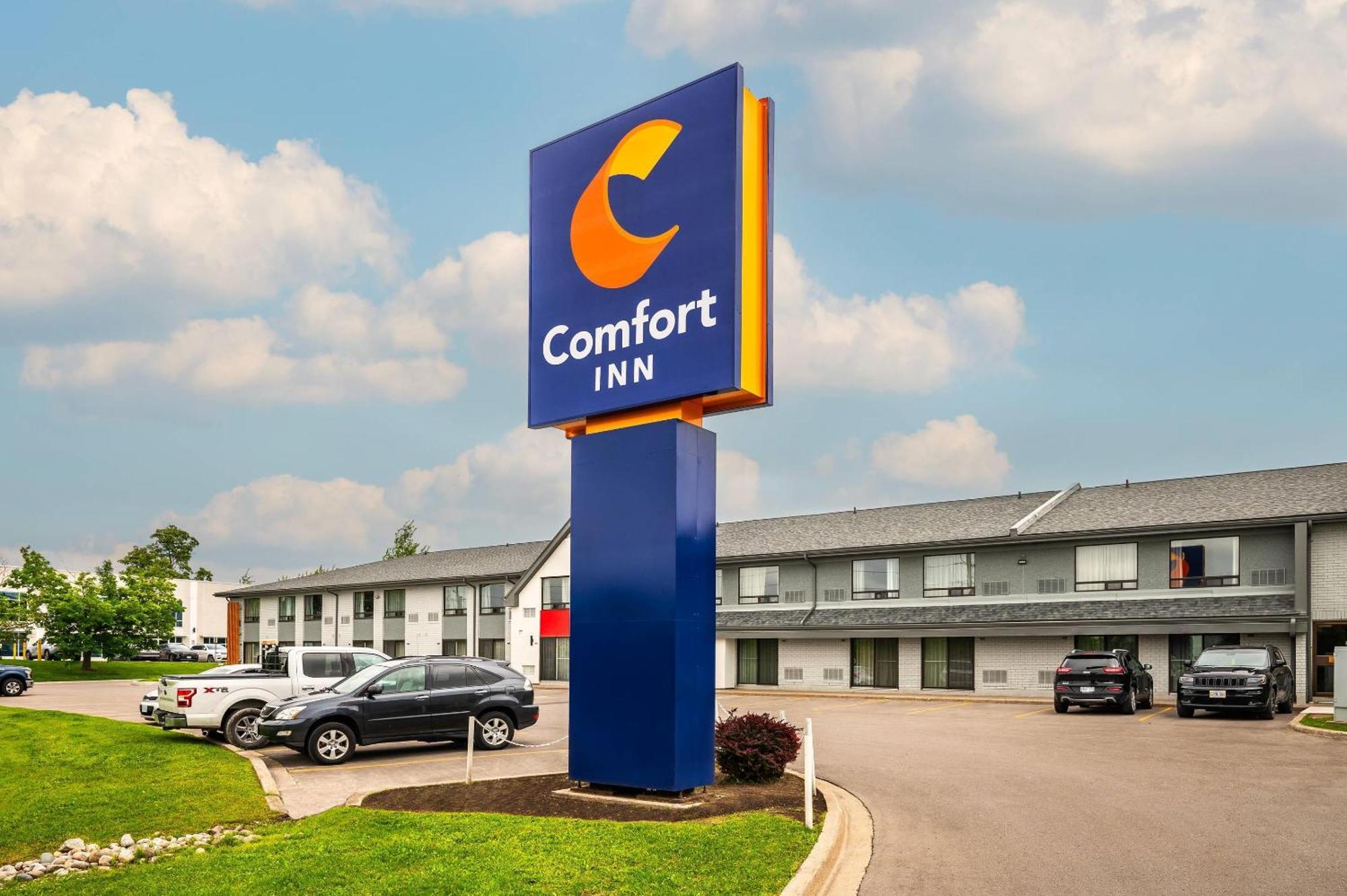
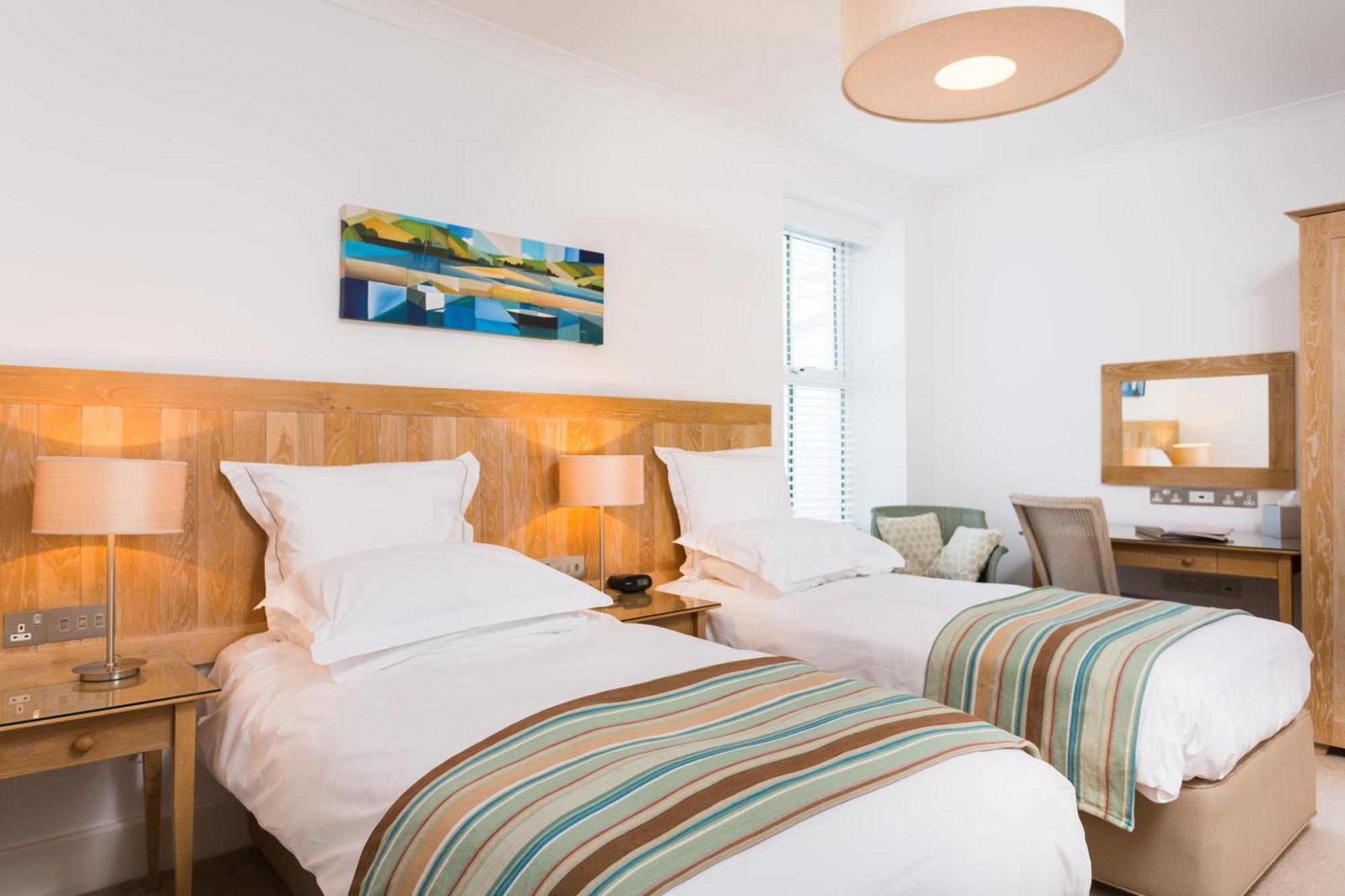
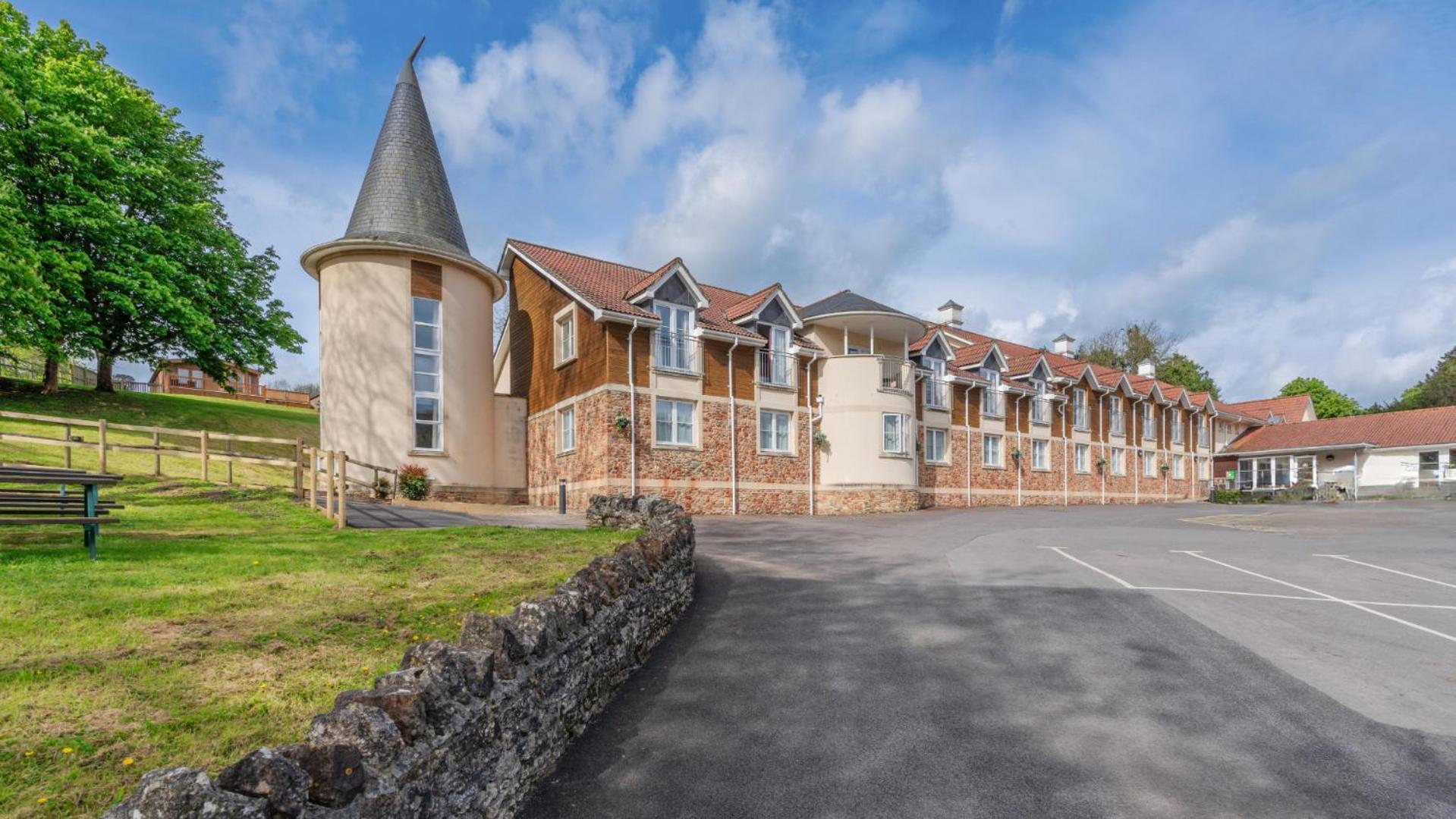
1. The Wesley Boutique Hotel Page, Az
Show on map


 Check-infrom 16:00 until 20:00Check-outfrom 07:00 until 11:00
Just a few rooms left at the best rate!
fromUS$ 51
-
2. Best Western Bellemont Shadow Mountain Inn
Show on map


 Check-infrom 15:00 until 23:59Check-outuntil 11:00
Just a few rooms left at the best rate!
fromUS$ 125
-
3. Navajoland Hotel
Show on map


 Check-infrom 15:00 until 23:59Check-outuntil 11:00
Hurry – almost gone at this price!
fromUS$ 85
Best Premium Budget Option
This property offers more amenities and the closest proximity to the South Rim entrance among the four options, justifying a slightly higher nightly rate for canyon-focused travelers.
-
4. Grand Canyon Plaza Hotel-South Rim
Show on map


 Check-infrom 15:00 until 23:59Check-outuntil 11:00
Rooms filling fast – secure the best rate!
fromUS$ 109
Smart Travel & Timing Advice for Grand Canyon
The Grand Canyon's South Rim is open year-round, but visit timing significantly affects cost and experience. Peak season runs from late May through August, when temperatures at the rim reach around 27°C and the interior canyon can exceed 38°C - conditions that make rim-side hiking dangerous after 10 a.m. Budget hotel rates across all gateway towns spike during this window, and availability shrinks fast. September and October offer a strong alternative: crowds thin noticeably, temperatures drop to a more manageable range, and nightly rates at properties like those in Bellemont and Tuba City often fall. March through May brings mild temperatures and good trail conditions but variable weather, including occasional snow at the 2,100-meter rim elevation. Booking at least 6 weeks ahead is advisable for spring and fall visits; summer bookings often require 3 months or more lead time for any remaining affordable rooms near the South Rim. Winter visits (December-February) offer the lowest prices and genuine solitude at viewpoints, but some services and trails reduce availability, and roads to the North Rim close entirely. A minimum of 2 nights is recommended regardless of season - one full day at the canyon rarely feels sufficient for first-time visitors.