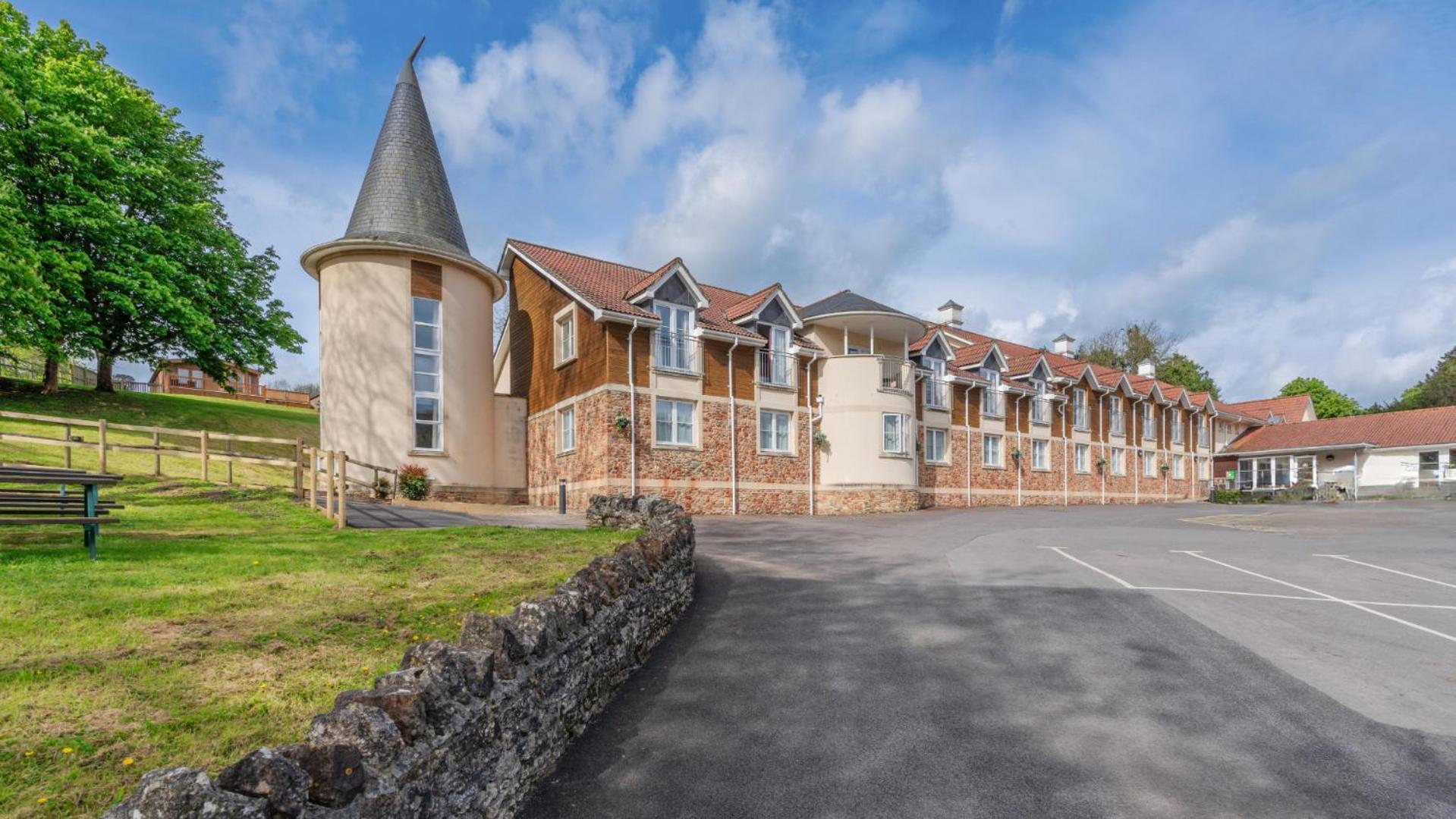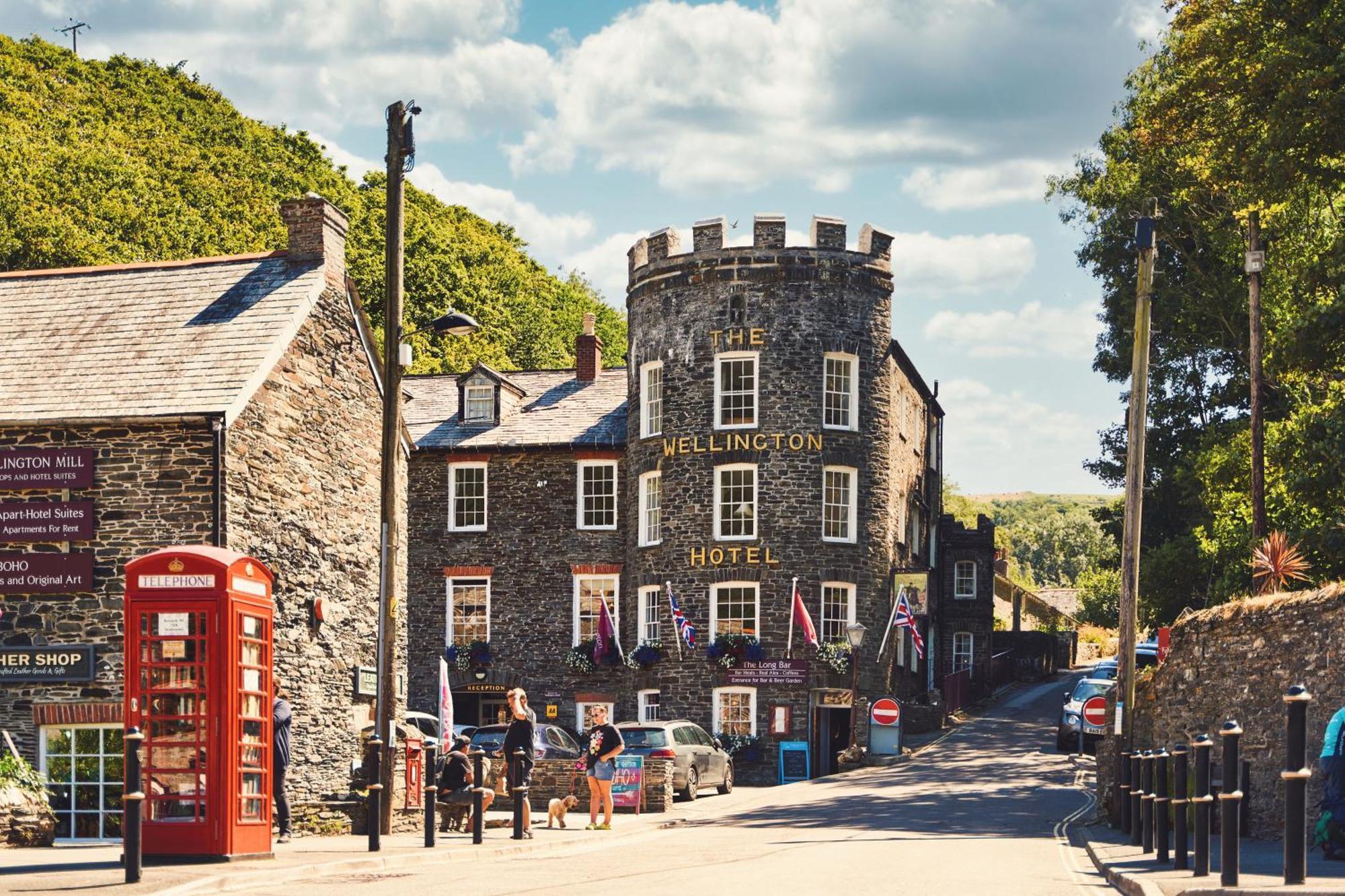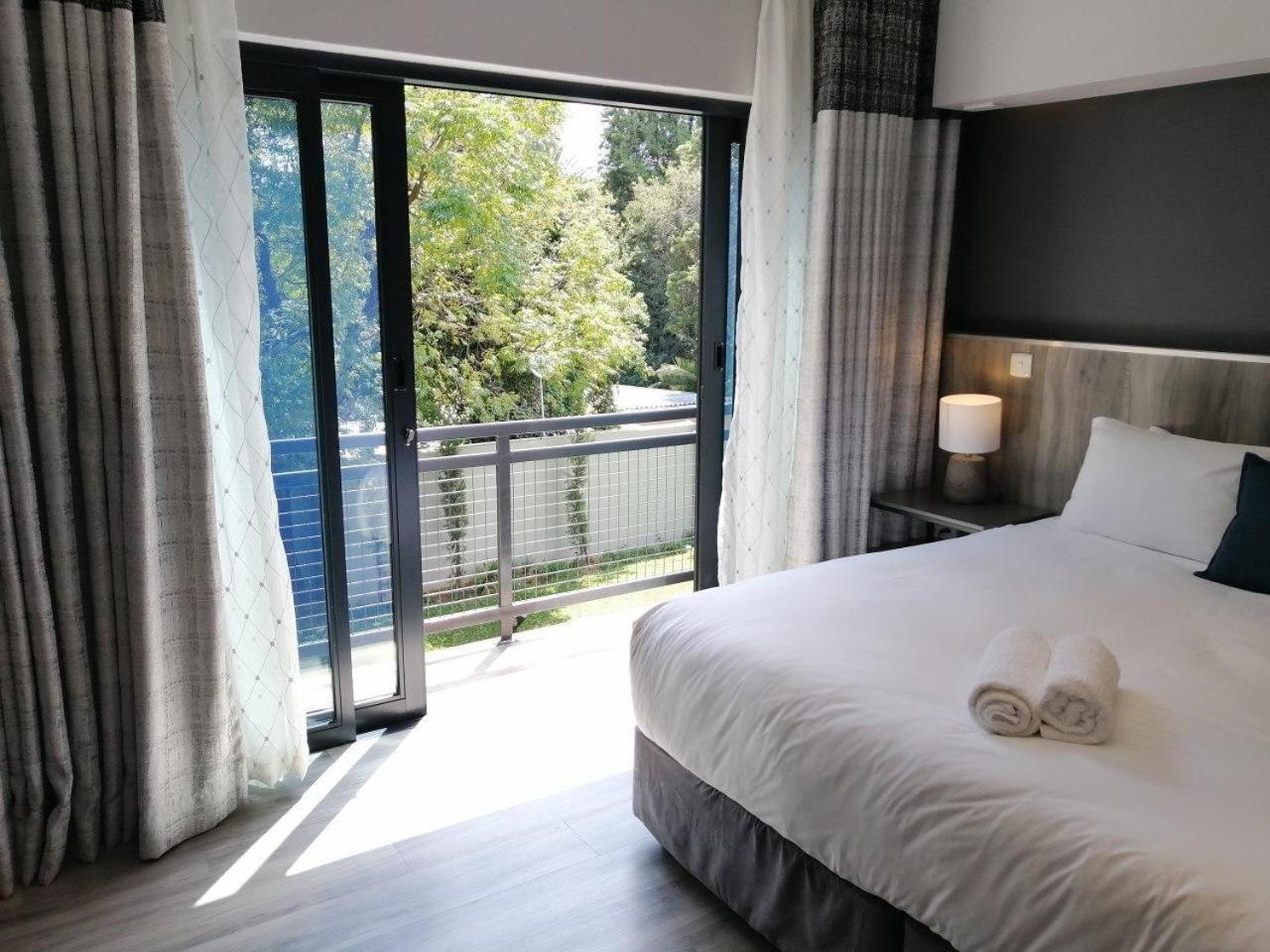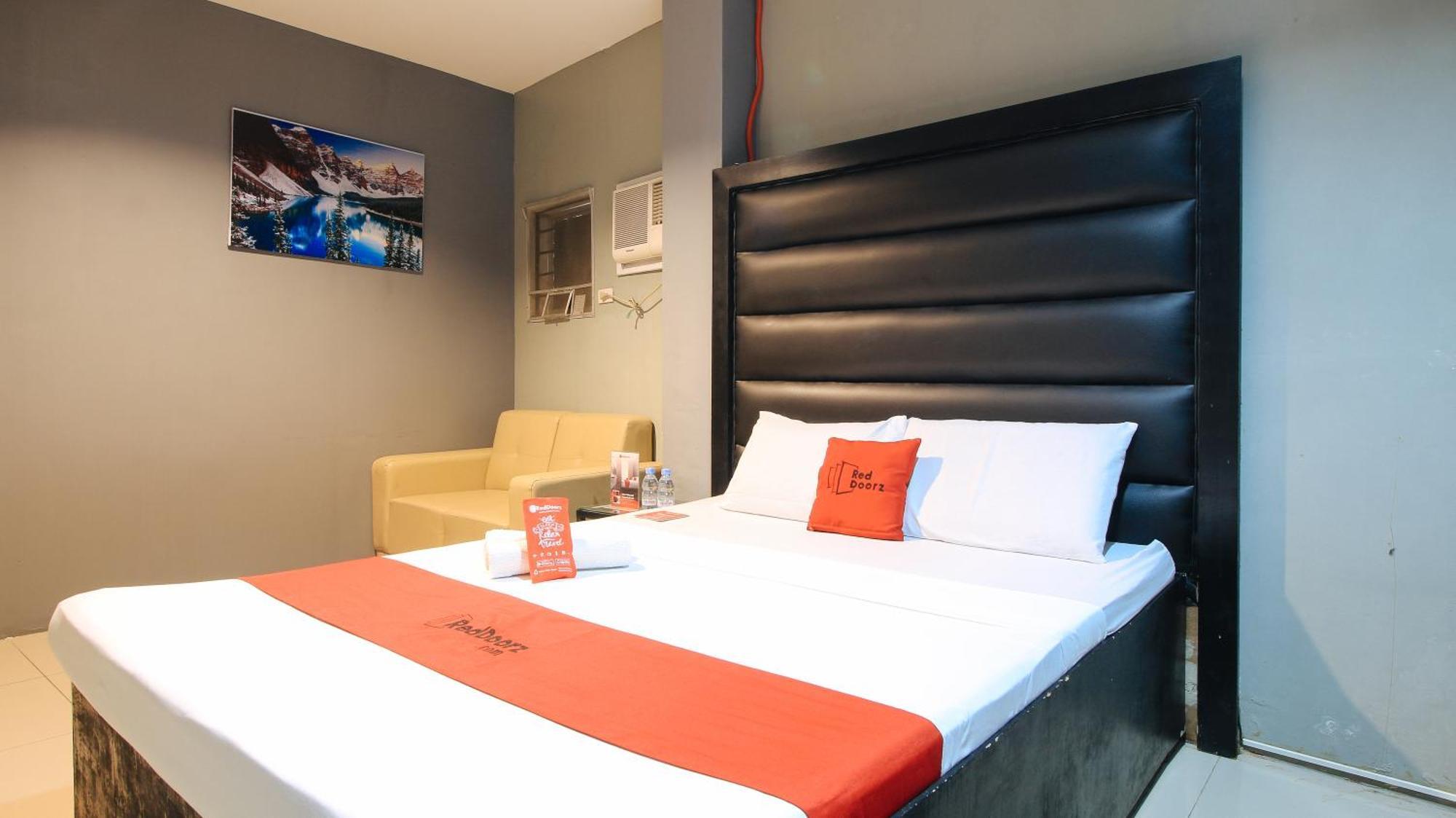
Cornwall is one of the most visited regions in England, drawing visitors with its rugged Atlantic coastline, medieval harbours, and walking trails like the South West Coast Path. Finding affordable accommodation here is genuinely possible year-round - but timing, location, and property type make a significant difference. This guide covers 9 hand-picked budget hotels across Cornwall, from Bude on the north coast to Looe in the south, helping you decide where to stay based on your itinerary, not just your price point.
What It's Like Staying in Cornwall
Cornwall operates at a slower pace than most English destinations, but transport limitations are real - a car is almost essential for reaching many coastal villages, as bus services between smaller communities are infrequent. Summer crowds, particularly in July and August, push occupancy rates up sharply in popular towns like Bude, Looe, and Falmouth, while quieter months like October and March offer noticeably lower prices and thinner crowds. Budget travellers in particular benefit from visiting outside peak school holidays, when the same coastal properties can drop in price by around 40%.
Pros:
- High density of coastal and countryside accommodation within short driving distances of major attractions like Tintagel Castle and the Eden Project
- Many budget hotels include free on-site parking, which is rare in English coastal towns and saves significantly on daily parking costs
- Shoulder season (May-June and September) offers a balance of good weather, open attractions, and lower hotel rates compared to peak summer
Cons:
- Public transport between villages is limited; without a car, you are largely confined to the town you are staying in
- Coastal roads are narrow and can become congested during summer, adding significant time to journey estimates
- Some budget properties in small villages have limited dining options within walking distance, requiring advance planning
Why Choose Budget Hotels in Cornwall
Budget hotels in Cornwall are not stripped-down city-style properties - many are traditional coaching inns, seaside guesthouses, or family-run hotels that include breakfast, free parking, and en suite rooms as standard. Free parking alone can justify choosing a budget hotel over a self-catering rental in a busy coastal town, where daily parking often costs around £15. The trade-off is typically room size and amenity depth rather than location or hospitality quality, and in many cases, budget properties sit within walking distance of the same beaches and coastal paths as higher-priced alternatives.
Pros:
- Most budget hotels in Cornwall include breakfast in the rate, reducing daily food costs significantly compared to self-catering options
- Free on-site parking is standard across the majority of Cornwall's budget properties, a practical advantage in areas with limited or paid public parking
- Many are family-run with local knowledge, offering genuine dining recommendations and insider tips on less-crowded beaches and trails
Cons:
- Room sizes in historic buildings, particularly 18th-century coaching inns, tend to be smaller and less uniform than modern hotel chains
- Some properties in traditional buildings lack lifts, making upper-floor rooms inaccessible for guests with mobility requirements
- Weekend evenings at pub-style hotels can be noisy due to live music or bar events, which matters for light sleepers
Practical Booking & Area Strategy for Cornwall
Cornwall stretches over 350 miles of coastline, so where you base yourself depends almost entirely on which part of the region you plan to explore. Bude on the north coast suits surfers and walkers targeting the Atlantic-facing beaches and the South West Coast Path, while Looe, Falmouth, and Mevagissey on the south coast offer calmer waters, fishing villages, and subtropical garden visits. Camelford and Camborne function as inland hubs with easy road access to multiple coastal areas, making them practical bases if you plan to cover ground by car rather than focusing on one stretch of coast. For Tintagel - one of Cornwall's most visited historic sites - staying in or near Tintagel itself or in Camelford reduces daily driving. Book at least 6 weeks in advance for July and August stays, particularly in smaller villages where properties have fewer than 20 rooms and sell out quickly.
Best Value Stays
These properties offer the strongest combination of included amenities, coastal or countryside access, and room quality at budget price points across Cornwall's key destinations.
-
1. The Beach
Show on map


 Check-infrom 16:00 until 20:00Check-outfrom 08:00 until 10:00
Just a few rooms left at the best rate!
from£ 122
-
2. The Falcon Hotel
Show on map


 Check-infrom 15:00 until 23:59Check-outuntil 10:00
Hurry – almost gone at this price!
from£ 165
-
3. Portbyhan Hotel
Show on map


 Check-infrom 15:00 until 23:00Check-outfrom 08:00 until 10:00
Rooms filling fast – secure the best rate!
from£ 198
-
4. The Countryman Hotel
Show on map


 Check-infrom 16:00 until 19:00Check-outuntil 10:00
Best price guarantee
from£ 74
-
5. Tyacks Hotel
Show on map


 Check-infrom 14:00 until 22:00Check-outfrom 08:00 until 11:00
Just a few rooms left at the best rate!
from£ 87
Best Premium Budget Picks
These properties deliver higher-specification rooms, standout coastal locations, or award-winning food within a budget framework - offering measurably more than the standard mid-range options in their respective areas of Cornwall.
-
6. The Wellington Hotel
Show on map


 Check-infrom 15:00 until 22:00Check-outfrom 07:00 until 11:00
Just a few rooms left at the best rate!
from£ 119
-
7. Trelawne Hotel
Show on map


 Check-infrom 14:00 until 22:30Check-outuntil 10:00
Best price guarantee
from£ 117
-
8. Camelot Castle Hotel
Show on map


 Check-infrom 14:00 until 23:00Check-outfrom 08:00 until 11:00
Rooms filling fast – secure the best rate!
from£ 93
-
4. Tremarne Hotel
Show on map


 Check-infrom 14:00 until 22:00Check-outfrom 07:00 until 10:00
Hurry – almost gone at this price!
from£ 176
Smart Timing & Booking Advice for Cornwall
Cornwall's peak season runs from late July through August, when school holidays push occupancy across the county to near capacity and prices spike sharply - booking 6 weeks in advance is the minimum for any coastal property during this period, and smaller hotels with under 15 rooms often sell out months earlier. The most underrated window is late May to mid-June: weather is reliable, the South West Coast Path and gardens are in full condition, and prices are noticeably lower than peak summer without the reduced opening hours of winter. October offers the best last-minute availability, particularly for inland bases like Camelford and Camborne, though some restaurant hours are reduced. A stay of 3 nights or more makes the most logistical sense in Cornwall - the driving distances between key sites mean that 1 or 2 nights do not allow enough time to reach more than one or two attractions. Avoid arriving on a Saturday in July or August if possible, as road congestion on the A30 can add over an hour to journey times from Exeter.