Canada spans over 9.9 million square kilometers, and choosing where to stay - and at what level - shapes the entire trip. Three-star hotels in Canada consistently hit a practical sweet spot: branded reliability, included breakfast in most cases, and amenities like indoor pools and fitness centres that four-star properties use to justify significantly higher rates. This guide covers 15 properties across British Columbia, Ontario, Quebec, Manitoba, Nova Scotia, and Newfoundland, giving you a grounded, province-by-province picture of what to expect before you book.
What It's Like Staying in Canada
Canada's geography defines its travel logic: the Rocky Mountains dominate the west, the Great Lakes shape central Ontario, the St. Lawrence River cuts through Quebec, and the Atlantic provinces offer rugged coastline and maritime culture largely unknown to international visitors. Staying in Canada means navigating a country where driving distances between attractions regularly exceed 50 km, making your hotel's location far more strategic than in compact European destinations. Crowd patterns vary sharply - summer months from June to August draw the heaviest domestic and international traffic to national parks and lakeside towns, while cities like Quebec City and Halifax remain active year-round due to festivals, university calendars, and cruise arrivals.
Travelers who self-drive benefit most from Canada's hotel infrastructure, which is designed around road trip culture with free parking as a near-universal standard. Those relying on public transit may find the experience limiting outside of Vancouver, Toronto, and Montreal. Urban centres reward walkers; rural properties near provincial parks reward those with a car and a flexible itinerary.
Pros:
- Exceptional natural diversity within a single country - Pacific coastline, prairie flatlands, boreal forest, and Atlantic shores are all reachable
- Free parking is standard at the vast majority of 3-star hotels, removing a cost that adds up fast in European or US cities
- Bilingual signage and services in Quebec and parts of New Brunswick make navigation accessible even without French
Cons:
- Distances between destinations are genuinely large - underestimating drive times is one of the most common planning mistakes
- Peak summer pricing in gateway towns near national parks can spike considerably, reducing the value advantage of mid-range hotels
- Winters are severe across most of the country, with temperatures that make outdoor exploration logistically demanding without proper gear
Why Choose 3-Star Hotels in Canada
Three-star hotels in Canada occupy a well-defined market position: they consistently offer amenities - indoor pools, hot tubs, complimentary breakfast, fitness centres - that would cost considerably more at equivalent properties in the US or Western Europe. Rates at Canadian 3-star properties typically run around 30% lower than comparable US branded hotels, particularly in smaller cities and highway corridor towns. The tradeoff is room size, which in urban locations can feel compact, though in smaller towns and rural areas rooms tend to be noticeably more spacious than city-centre alternatives.
What differentiates 3-star hotels in Canada from budget motels is the reliability of included services: most branded properties (Best Western Plus, Hampton Inn, Comfort Inn, Days Inn, Super 8) include breakfast, free WiFi, and accessible parking - costs that independent travellers often underestimate. The indoor pool is a recurring facility across Canadian 3-star properties, driven by the climate, and families travelling in shoulder seasons benefit from this more than almost any other amenity category.
Main advantages:
- Complimentary breakfast included at most branded 3-star properties, reducing daily food spend meaningfully
- Indoor pools and hot tubs are widespread - a practical amenity given Canada's cold climate across most of the year
- Cold weather hook-ups for car engines are available at select properties, a Canada-specific feature that saves rental car complications in winter
Main trade-offs:
- Properties in small highway towns prioritize convenience over character - architectural and design quality is functional rather than distinctive
- Some rural 3-star properties sit several kilometers from the attractions they serve, requiring a car for every outing
- Breakfast quality varies between properties even within the same brand - grab-and-go formats are common at lower-positioned 3-star options
Practical Booking & Area Strategy for Canada
Canada's 3-star hotel landscape splits into two clear strategic zones: urban corridor properties - near airports, shopping centres, and city infrastructure - and gateway properties that position travellers within reach of provincial parks, lakes, and natural attractions. For those planning a national park itinerary in British Columbia, the Clearwater and Chase areas near Kamloops serve as practical launch points for Wells Gray Provincial Park and the Thompson River valley, with Kamloops Airport sitting around 66 to 127 km away depending on the specific town. In Ontario, Parry Sound and Tobermory anchor the Georgian Bay and Bruce Peninsula corridor - two regions where accommodation books out weeks ahead during July and August.
Quebec travellers focused on the Gaspé Peninsula or Quebec City should book at least 6 weeks ahead for summer travel, as inventory in mid-range categories is limited and prices rise steeply with late booking. Manitoba properties in Brandon and Portage la Prairie function primarily as road trip stops on the Trans-Canada Highway, offering reliable overnight options for travellers crossing between Winnipeg and the Rockies. Dartmouth, Nova Scotia is a frequently overlooked base for exploring Halifax - it provides direct access to Dartmouth Crossing and the Maritime Museum of the Atlantic without the downtown Halifax price premium. For Atlantic Canada's Newfoundland, Corner Brook sits at the western entrance to Gros Morne National Park, one of Canada's most undervisited UNESCO World Heritage Sites.
Hotels in British Columbia
British Columbia's 3-star properties range from Sunshine Coast ferry-access hotels to interior highway stops near provincial parks and wildlife reserves. These properties serve both self-drive travellers and those using BC's ferry network.
-
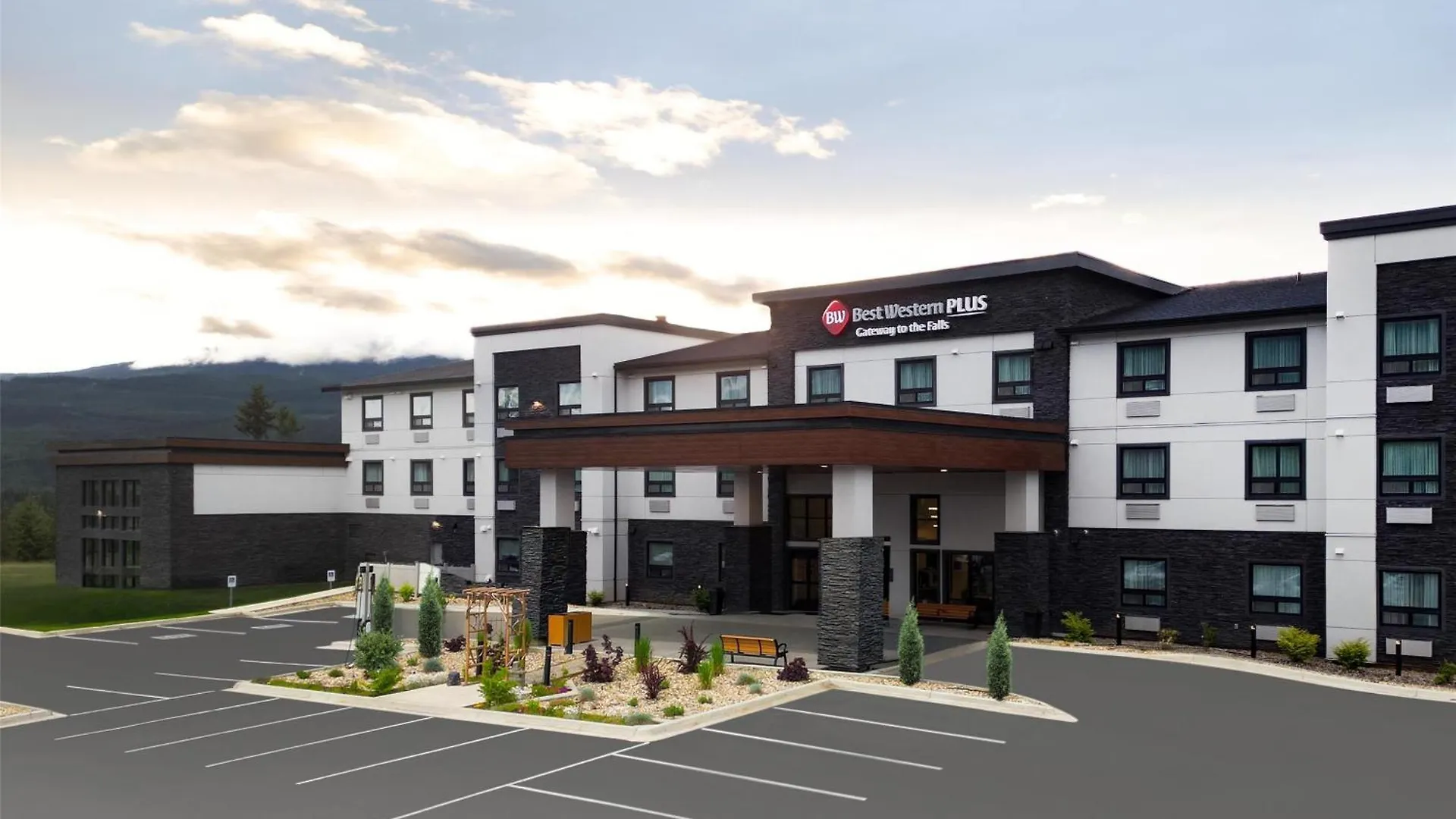
1. Best Western Plus Gateway To The Falls
Show on map


 Check-infrom 16:00 until 23:59Check-outuntil 11:00
Best price guarantee
fromC$ 238
-
2. Chase Country Inn
Show on map


 Check-infrom 15:00 until 21:00Check-outuntil 11:00
Just a few rooms left at the best rate!
fromC$ 175
-
3. Gibsons Garden Hotel
Show on map


 Check-infrom 15:00 until 23:30Check-outuntil 11:00
Rooms filling fast – secure the best rate!
fromC$ 206
Hotels in Ontario
Ontario's 3-star properties cover two distinct travel corridors: the Georgian Bay and Bruce Peninsula route in the north, and the Lake of the Woods region near the Manitoba border. Both areas are drive-heavy and book out fast in summer.
-
1. Coach House Inn
Show on map


 Check-infrom 15:30 until 23:00Check-outuntil 11:00
Best price guarantee
fromC$ 150
-
2. Best Western Plus Parry Sound
Show on map


 Check-infrom 15:00 until 23:59Check-outuntil 11:00
Rooms filling fast – secure the best rate!
fromC$ 209
-
3. Comfort Inn Kenora
Show on map


 Check-infrom 15:00 until 23:59Check-outuntil 11:00
Just a few rooms left at the best rate!
fromC$ 103
Hotels in Quebec
Quebec's 3-star hotel market serves two very different traveller types: those targeting Quebec City's historic core and those driving the Gaspé Peninsula route along the St. Lawrence. Both corridors require advance planning in summer.
-
1. Super 8 By Wyndham Quebec City
Show on map


 Check-infrom 16:00 until 23:59Check-outuntil 11:00
Best price guarantee
fromC$ 129
-
2. Rodeway Inn
Show on map


 Check-infrom 16:00 until 23:59Check-outuntil 11:00
Hurry – almost gone at this price!
fromC$ 127
-
3. Comfort Inn
Show on map


 Check-infrom 15:00 until 23:59Check-outuntil 12:00
Just a few rooms left at the best rate!
fromC$ 132
Hotels in Manitoba
Manitoba's 3-star hotel inventory is built around highway travel. Brandon and Portage la Prairie function as key overnight stops on the Trans-Canada route, while Swan River serves northern Manitoba's provincial park corridor.
-
10. Days Inn & Suites By Wyndham Brandon
Show on map


 Check-infrom 16:00 until 23:59Check-outuntil 11:00
Hurry – almost gone at this price!
fromC$ 122
-
11. Microtel Inn & Suites By Wyndham Portage La Prairie
Show on map


 Check-infrom 15:00 until 23:59Check-outuntil 11:00
Best price guarantee
fromC$ 147
-
12. Super 8 By Wyndham Swan River Mb
Show on map


 Check-infrom 15:00 until 23:59Check-outuntil 11:00
Hurry – almost gone at this price!
fromC$ 187
Hotels in Nova Scotia, Newfoundland & Alberta
Atlantic Canada and Alberta round out this national overview with properties that serve very different traveller profiles - from Halifax-area urban access to Newfoundland's western national park gateway and Alberta's highway network.
-
1. Hampton Inn & Suites By Hilton Dartmouth - Halifax
Show on map


 Check-infrom 16:00 until 23:59Check-outuntil 12:00
Best price guarantee
fromC$ 184
-
2. Quality Inn
Show on map


 Check-infrom 16:00 until 23:59Check-outuntil 11:00
Rooms filling fast – secure the best rate!
fromC$ 143
-
15. Best Western Diamond Inn
Show on map


 Check-infrom 15:00 until 23:59Check-outuntil 11:00
Just a few rooms left at the best rate!
fromC$ 161
Smart Travel & Timing Advice for Canada
Canada's travel calendar divides sharply around its climate. July and August are peak months across all provinces - national park gateway towns like Tobermory, Clearwater, and Corner Brook reach capacity, and 3-star inventory books out weeks in advance. Booking at least 6 weeks ahead for July travel in these areas is the minimum safe window; for popular destinations like Quebec City's summer festival season, 8 to 10 weeks is more realistic. Prices at mid-range hotels in peak summer can run around 40% higher than the same room in May or September, making shoulder season travel a strong financial argument for flexible travellers.
June and September offer the most favourable combination of reasonable weather, thinner crowds, and lower rates - particularly in British Columbia and Ontario's lake districts. Winter travel in Manitoba and Quebec is viable for those prepared for temperatures that regularly drop below -20°C, and properties with cold weather car hook-ups (such as Comfort Inn Kenora) become genuinely important rather than optional. Atlantic Canada peaks slightly later, with August and early September being the prime window for Nova Scotia and Newfoundland before Atlantic weather becomes less predictable. For road trip itineraries crossing multiple provinces, booking each night individually - rather than committing to fixed itineraries - provides flexibility to adjust pace without penalty where free cancellation policies apply.