
Wyoming sits at the intersection of frontier history and raw wilderness, making it one of the few states where a historically themed hotel genuinely adds context to the landscape around it. From the high desert plateaus near Rock Springs to the timber lodges flanking Yellowstone's eastern corridor in Wapiti, the properties here carry architectural and cultural weight that standard chain hotels simply don't offer. This guide compares 4 historical hotels in Wyoming to help you decide which property fits your itinerary, budget, and travel style.
What It's Like Staying in Wyoming
Wyoming is the least populated U.S. state, which means staying here feels nothing like a typical urban hotel trip. Distances between towns are vast - driving between Jackson, Cody, and Rock Springs can take several hours - so your hotel's location directly shapes what you can realistically visit each day. Yellowstone and Grand Teton are the dominant draw, but the state's history runs deep through cattle trails, coal mining towns, and frontier-era lodges that predate national park tourism. Travelers who want solitude, open skies, and authentic Western heritage thrive here; those expecting walkable city infrastructure or dense dining options will find Wyoming demanding.
Pros:
- Uncrowded natural access - Wyoming's low population density means even peak-season visits to iconic sites involve far fewer crowds than comparable western parks
- Historically significant lodging options are genuinely tied to the landscape, not just themed décor
- Free parking is standard at nearly all Wyoming hotels, eliminating a cost that adds up quickly in urban destinations
Cons:
- Driving distances between attractions often exceed 2 hours, making car rental non-negotiable
- Dining and retail options outside of Jackson and Cody are limited, especially late at night
- Altitude and extreme seasonal weather - deep snow in winter, intense sun in summer - require specific preparation that first-time visitors often underestimate
Why Choose Historical Hotels in Wyoming
Historical hotels in Wyoming aren't preserved relics operating at a disadvantage - they compete well on amenities while offering architectural character that newer builds in the state cannot replicate. In a landscape defined by frontier heritage, coal booms, and early 20th-century ranching culture, staying in a property with documented history makes the region more legible. Rates at historical properties in Wyoming often run comparable to or only around 15% above equivalent chain hotels, yet the room sizes and public spaces are frequently more generous, particularly in converted lodge and inn formats. The key trade-off is consistency: historical buildings may have rooms that vary significantly in size, insulation quality, and noise levels depending on which floor or wing you book.
Pros:
- Authentic regional character - architecture, furnishings, and property stories that reflect Wyoming's mining, ranching, and exploration history
- Larger common areas and outdoor spaces compared to equivalent-price modern hotels
- Properties are typically independently managed or brand-affiliated at a lighter level, meaning staff knowledge of local areas is deeper
Cons:
- Room standardization is lower - two rooms at the same price point may differ noticeably in size or noise exposure
- Older buildings may lack soundproofing between rooms, which matters during busy travel seasons
- Properties in remote corridors (such as the Wapiti Valley) have no walkable dining alternatives if the on-site restaurant is closed
Practical Booking & Area Strategy
Wyoming's two primary hotel corridors for historical stays are the Rock Springs area in the southwest, which serves travelers on I-80 and those heading toward Flaming Gorge, and the Wapiti Valley east of Cody, which is the main gateway corridor to Yellowstone's East Entrance. Buffalo, in the northeast near the Bighorn Mountains, is a third viable base for travelers exploring that quadrant. Book at least 8 weeks ahead for summer stays in the Wapiti and Cody corridor - demand from Yellowstone-bound travelers is intense from June through August, and historical lodges with limited room counts sell out well before chain hotels. Rock Springs properties offer more last-minute availability but serve a different itinerary profile: highway travelers, Flaming Gorge visitors, and those transiting through the state. For Yellowstone access specifically, a Wapiti Valley lodge positions you closer to the East Entrance than Cody hotels, shaving significant daily drive time off wildlife-watching mornings.
Best Value Historical Stays
These properties deliver genuine historical character alongside reliable modern amenities at competitive price points - well-suited to travelers who want substance without premium lodge pricing.
-
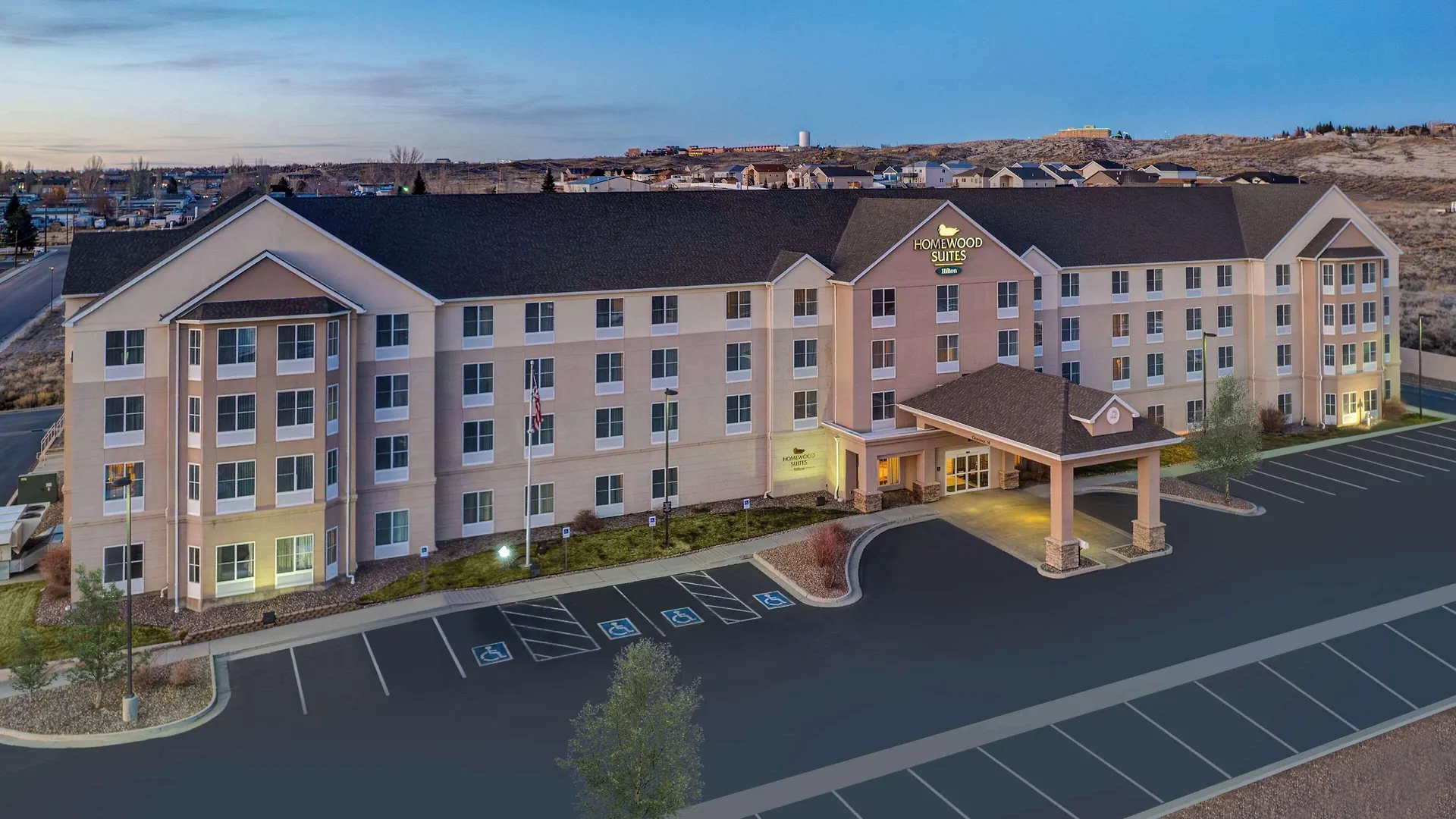
1. Homewood Suites - Rock Springs
Show on map


 Check-infrom 15:00 until 23:59Check-outuntil 12:00
Just a few rooms left at the best rate!
fromUS$ 100
-
2. Best Western Outlaw Inn
Show on map


 Check-infrom 15:00 until 23:59Check-outuntil 11:00
Just a few rooms left at the best rate!
fromUS$ 100
-
3. Quality Inn Buffalo
Show on map


 Check-infrom 15:00 until 23:59Check-outuntil 12:00
Hurry – almost gone at this price!
fromUS$ 118
Best Premium Historical Stay
For travelers prioritizing immersive character, direct Yellowstone access, and a property with documented frontier-era history, this lodge stands apart from anything else in the Wyoming hotel landscape.
-
4. The Historic Wapiti Lodge
Show on map


 Check-infrom 16:00 until 20:00Check-outuntil 10:00
Rooms filling fast – secure the best rate!
fromUS$ 164
Smart Travel & Timing Advice for Wyoming
Wyoming's tourism calendar is sharply front-loaded: June through August accounts for the vast majority of annual visitors, particularly in the Yellowstone and Grand Teton corridors. During this window, historical lodges in the Wapiti Valley and near Cody reach capacity weeks in advance, and prices at all property types climb noticeably. September is arguably the strongest month for a Wyoming visit - crowds drop by around 40%, wildlife becomes more active and visible in lower elevations, and fall foliage adds color to the Bighorn and Absaroka ranges without the summer pricing. Winter travel to Rock Springs and Buffalo is feasible for I-80 and I-90 corridor stays, but Wapiti Valley properties may have reduced services or seasonal closures. For Yellowstone-focused itineraries, plan a minimum of 3 nights in the region - the park's loop roads alone require full days, and rushing the drive means missing the wildlife windows at dawn and dusk that define the experience. Book any Wapiti Valley property at least 10 weeks before a summer arrival; last-minute availability in that corridor is rare.


