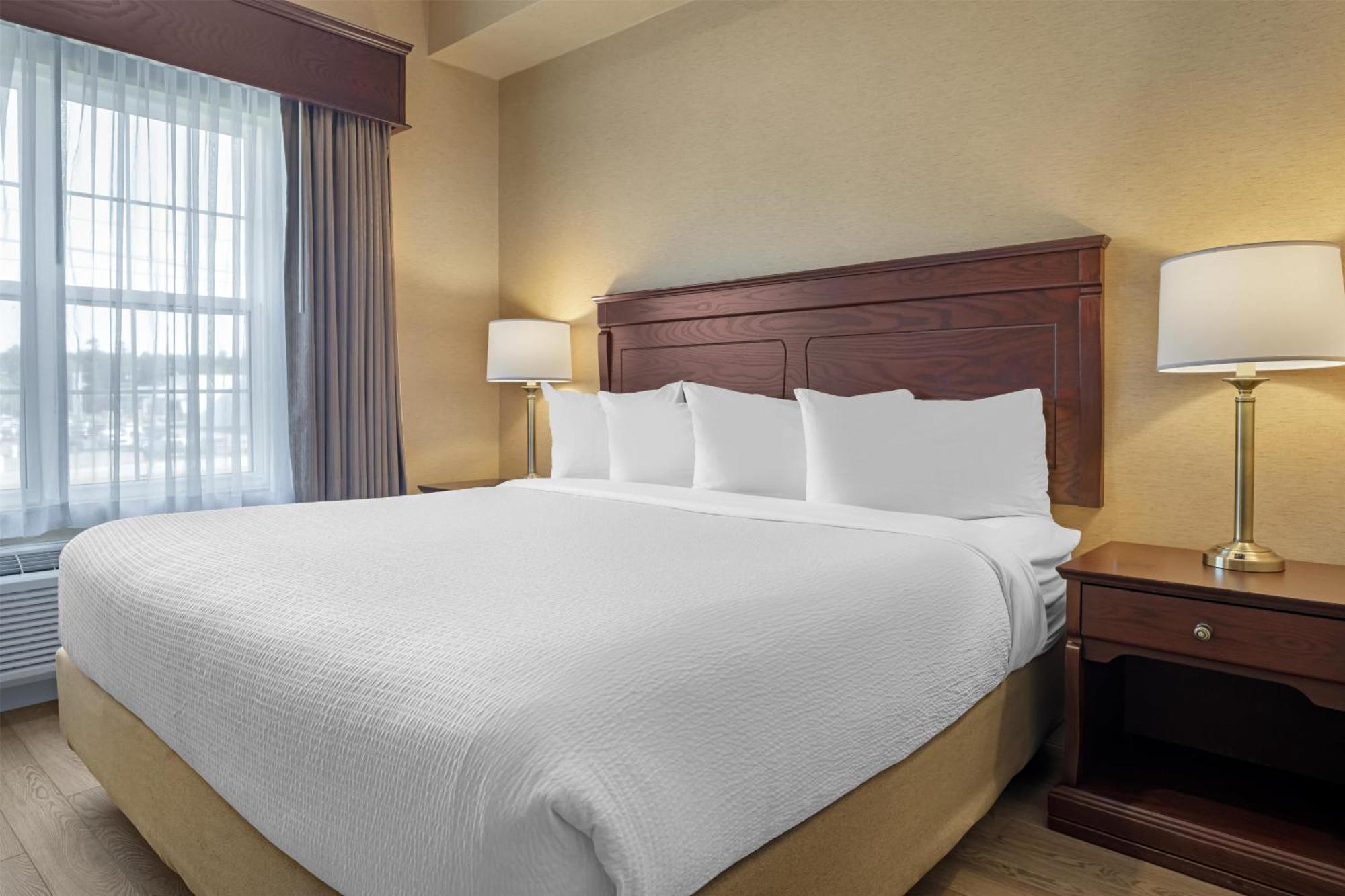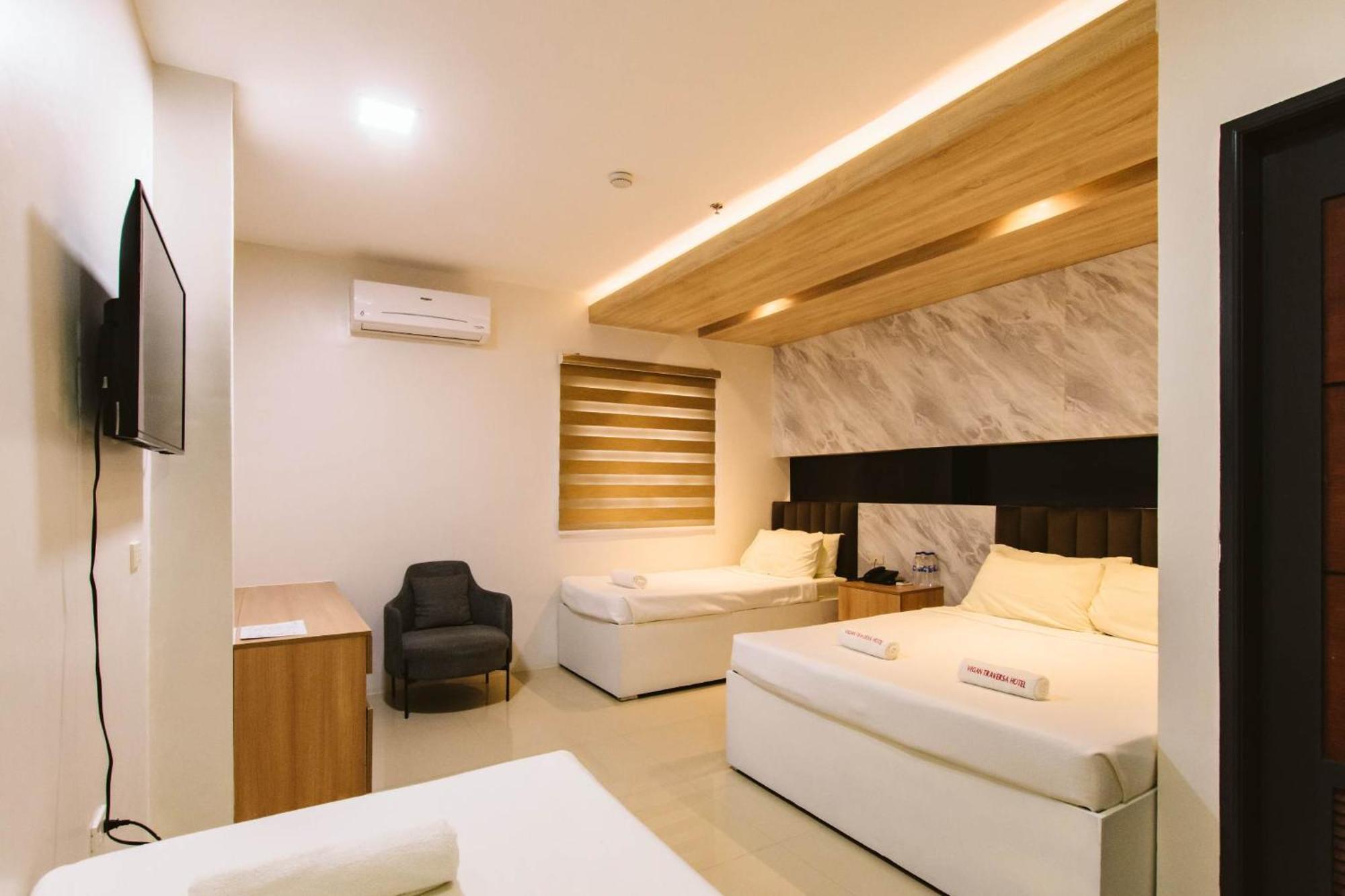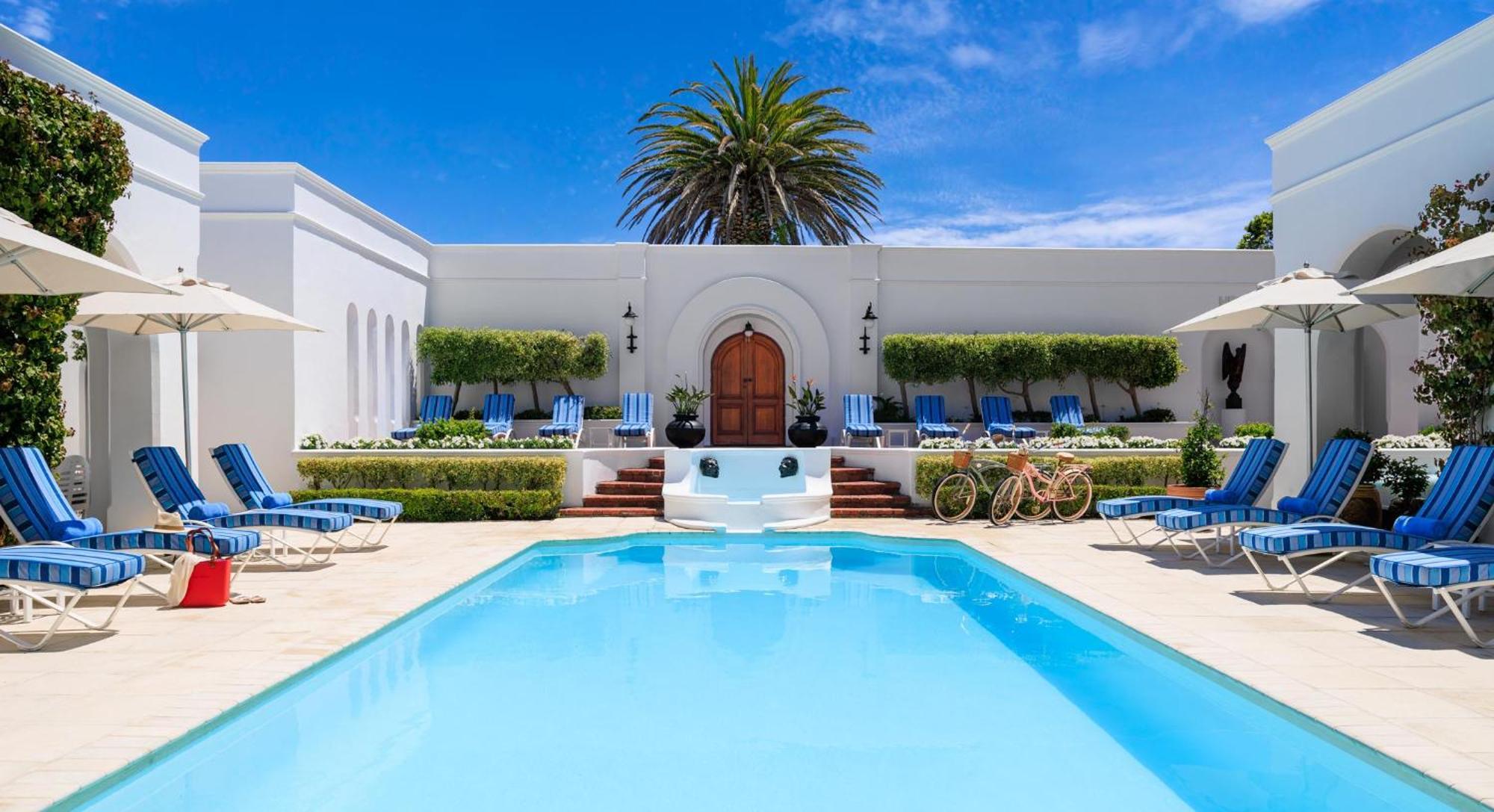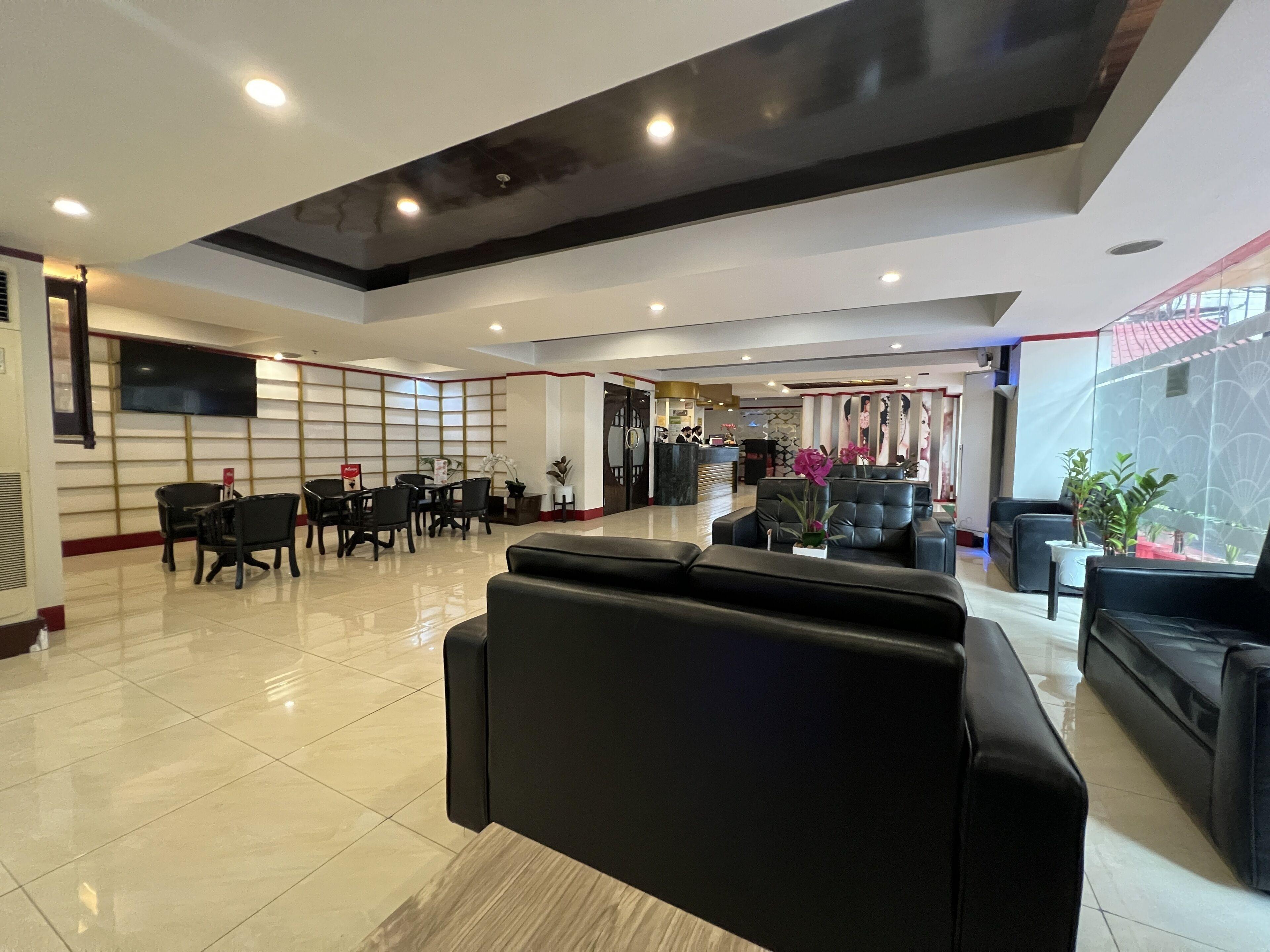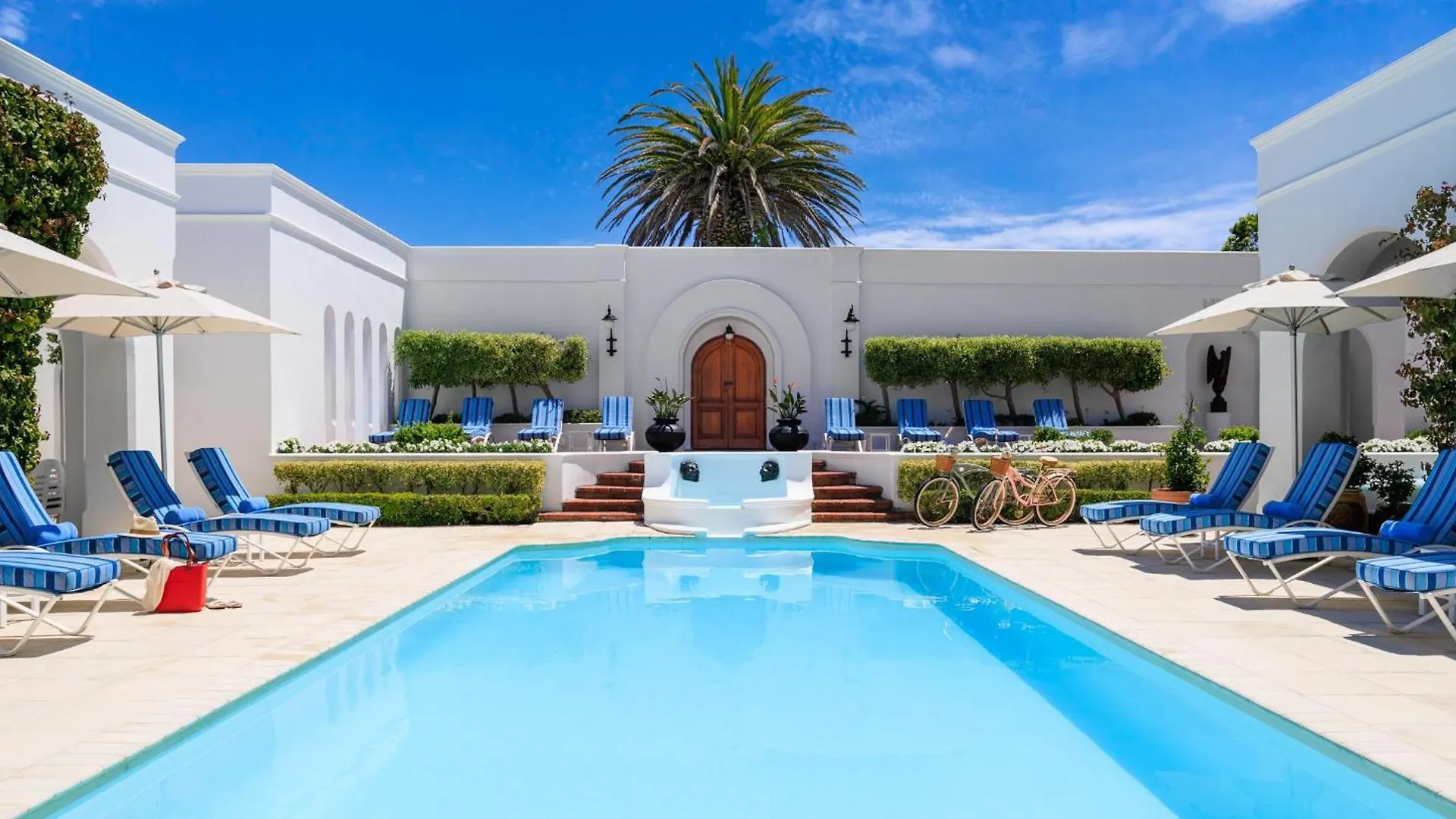
South Africa draws millions of visitors annually for its wildlife, dramatic coastlines, wine regions, and UNESCO-listed mountain landscapes - but choosing where to stay can make or break the trip. This guide covers 8 standout hotels across the country, from Franschhoek's Winelands to the Drakensberg highlands, with honest, decision-focused insights to help you book with confidence.
What It's Like Staying in South Africa
South Africa is one of the most geographically and culturally diverse countries in the world - within a single trip, you can move from the vineyards of Stellenbosch to the savannah edge near Blyde River Canyon, or from the Atlantic coastline of Hermanus to the high-altitude drama of the Drakensberg. Whale watching from land in Hermanus between June and November is considered among the best in the world, while Johannesburg functions as the country's commercial and logistical hub, with O.R. Tambo International Airport connecting most international arrivals. Urban areas like Cape Town and Joburg are busy year-round, though crowd levels in coastal and safari-adjacent towns follow strong seasonal patterns that affect both availability and pricing.
Travelers who plan accommodation by region rather than just by city tend to get far more out of South Africa - the distances between provinces are significant, and driving between the Winelands and the Limpopo bush can take the better part of a day.
Pros:
- Exceptional landscape diversity - ocean, mountains, bush, and wine country all accessible within one itinerary
- Strong infrastructure in tourism corridors (Western Cape, Gauteng, Drakensberg) with reliable road access and airport connections
- Around 50% of South Africa's top attractions are reachable by self-drive, making flexible hotel-hopping across regions practical
Cons:
- Safety varies sharply by area - central Johannesburg requires more caution than Stellenbosch or Hermanus at night
- Distances between key destinations are often underestimated; some transfers exceed 5 hours by road
- Peak season (December through January and June through August for whale season) drives up hotel rates significantly in coastal and wine country towns
Why Choose Hotels in South Africa Over Other Accommodation Types
Hotels in South Africa occupy a broad spectrum - from historic properties in Stellenbosch wine estates to boutique lodges near UNESCO heritage sites - and they consistently outperform self-catering options when it comes to local knowledge, on-site dining, and curated experiences like wine tours or safari arrangements. Boutique hotels in South Africa often include breakfast as standard, which adds meaningful value given that quality restaurant access varies considerably outside major cities. In areas like Polokwane, Bosbokrand, or the Drakensberg, having an on-site restaurant is not just a convenience - it can be the only viable dining option nearby.
Compared to guesthouses, hotels in this category typically offer more consistent service standards, fitness facilities, swimming pools, and airport shuttle arrangements - critical when dealing with South Africa's distances. Price differences between mid-range and premium hotels in South Africa can be as low as around 30% in less-touristed areas, making upgrades more accessible than in European destinations.
Pros:
- Breakfast inclusion is common across hotel categories, reducing daily food costs in remote or rural locations
- On-site pools, spas, and restaurants are standard in most South African hotels covered here - not optional extras
- Airport shuttle availability is particularly valuable given the distances from major airports to key destinations
Cons:
- Hotels in wine and coastal towns book out weeks in advance during peak season - last-minute availability is rare in Franschhoek or Hermanus
- Some boutique properties in smaller towns have limited room counts, meaning flexibility on dates is essential
- Urban hotels in Johannesburg require more attention to parking and security logistics than coastal equivalents
Practical Booking & Area Strategy for South Africa
South Africa's accommodation map rewards deliberate planning. The Western Cape - covering Stellenbosch, Franschhoek, and Hermanus - is the most tourist-ready corridor, with well-paved wine routes, reliable restaurant density, and proximity to Cape Town International Airport (around 45 minutes from Franschhoek). For wildlife-adjacent stays, Bosbokrand near Blyde River Canyon and the Limpopo region around Polokwane require longer drives from Johannesburg but offer far lower crowd density than Kruger National Park gateway towns. The Drakensberg, accessed via KwaZulu-Natal, is one of South Africa's most underrated regions - the uKhahlamba Drakensberg World Heritage Site offers hiking, trout fishing, and mountain scenery without the safari price premium.
Johannesburg works best as an entry and exit point rather than a primary base - O.R. Tambo International Airport is the country's main international hub, and boutique hotels in the city's northern suburbs (Bedfordview, Waterfall area) provide comfortable layover or transit stays within 14-30 km of the airport. The Winelands triangle of Stellenbosch, Franschhoek, and Hermanus is where most first-time visitors to South Africa concentrate their stay, and for good reason - the density of quality hotels, restaurants, and day-trip options is unmatched outside Cape Town itself.
Western Cape & Winelands Hotels
The Western Cape concentrates South Africa's most visited hotel corridor - spanning coastal Hermanus, the historic Stellenbosch town centre, and the mountain-framed village of Franschhoek. These properties sit within close reach of Cape Town International Airport and offer the highest density of wine, dining, and coastal experiences in the country.
-
1. The Marine Hermanus
Show on map


 Check-infrom 15:00 until 23:59Check-outuntil 11:00
Just a few rooms left at the best rate!
fromR 4610
-
2. Last Word Franschhoek
Show on map


 Check-infrom 14:00 until 23:59Check-outuntil 11:00
Just a few rooms left at the best rate!
fromR 9621
-
3. Oude Werf Hotel
Show on map


 Check-infrom 14:00 until 23:59Check-outfrom 07:00 until 11:00
Just a few rooms left at the best rate!
fromR 3967
Johannesburg, Limpopo & Drakensberg Hotels
Beyond the Western Cape, South Africa's interior delivers some of its most distinctive hotel stays - from Johannesburg boutique properties within reach of O.R. Tambo Airport, to a Drakensberg mountain lodge inside a UNESCO World Heritage Site, and bush-adjacent accommodation near Blyde River Canyon and Polokwane. These hotels serve very different traveler itineraries but share a common strength: strong on-site facilities that compensate for more remote surroundings.
-
1. Zevenster Boutique Hotel By The Giglio
Show on map


 Check-infrom 14:00 until 22:00Check-outfrom 07:00 until 11:00
Hurry – almost gone at this price!
fromR 3999
-
2. Riboville Boutique Hotel And Restaurant
Show on map


 Check-infrom 14:00 until 23:30Check-outfrom 06:00 until 11:00
Hurry – almost gone at this price!
fromR 305
-
6. Champagne Castle Hotel
Show on map


 Check-infrom 14:00 until 22:00Check-outfrom 07:00 until 10:00
Hurry – almost gone at this price!
fromR 3534
-
4. Serurubele Boutique Hotel
Show on map


 Check-infrom 14:00 until 17:00Check-outfrom 10:00 until 11:00
Rooms filling fast – secure the best rate!
fromR 964
-
8. Ruby Stone Boutique Hotel
Show on map


 Check-infrom 14:00 until 23:59Check-outfrom 07:00 until 11:00
Rooms filling fast – secure the best rate!
fromR 1574
Smart Travel & Timing Advice for South Africa Hotels
South Africa has two distinct peak seasons that affect hotel availability and pricing in very different ways. December through January is the domestic summer peak - coastal properties in Hermanus and the Western Cape fill rapidly, and rates at top hotels in Franschhoek and Stellenbosch can climb sharply. June through November is the whale-watching season along the Southern Cape coast, which drives independent demand specifically for Hermanus properties - The Marine Hermanus books out weeks in advance during this window. The Drakensberg and Mpumalanga regions (Blyde River Canyon, Bosbokrand) are most visited during the South African school holidays in July and December, but remain accessible with advance planning.
For Johannesburg boutique hotels, there is no strong leisure peak - demand is driven more by business travel and transit, making last-minute rates more available than in the Western Cape. A minimum of 7-10 nights is recommended for a meaningful multi-region itinerary covering both the Winelands and one other region (Drakensberg, Mpumalanga, or Limpopo). Booking Franschhoek and Hermanus accommodation at least 8 weeks ahead during peak season is strongly advised - room counts at boutique properties in these towns are small, and popular dates disappear early.
Frequently Asked Questions
Which of these South Africa hotels offers the best value for money?
Ruby Stone Boutique Hotel in Polokwane and Serurubele Boutique Hotel near Blyde River Canyon offer the strongest value proposition - both include breakfast, on-site restaurants, pools, and airport proximity at price points below the Western Cape equivalents. Serurubele is particularly well-positioned for travelers doing the Panorama Route without paying Kruger-adjacent lodge premiums.
When is the best time to book hotels in the Western Cape?
For Hermanus (The Marine) and Franschhoek (Last Word), book at least 8 weeks ahead during whale season (June-November) and December-January. Outside these windows, availability improves significantly and rates are more negotiable, especially in April-May and September for the Winelands.
Which hotel is best for travelers transiting through Johannesburg?
Zevenster Boutique Hotel By The Giglio is the most practical choice - it sits 14 km from O.R. Tambo International Airport with an airport shuttle, 24-hour front desk, and a full breakfast rating. Riboville Boutique Hotel works better for travelers wanting a quieter, countryside-style Johannesburg stay rather than a transit stop.
Is it safe to stay in these hotels at night?
All eight properties are in established hospitality zones with private parking, security measures, and controlled access. Urban Johannesburg properties (Zevenster, Riboville) are located in the northern and eastern suburbs rather than the city centre, which significantly reduces night-time risk. Stellenbosch, Hermanus, Franschhoek, and the Drakensberg locations are all considered low-risk leisure areas.
How many nights should I plan for a multi-region South Africa trip?
A realistic multi-region itinerary covering the Western Cape and one interior destination (Drakensberg, Mpumalanga, or Limpopo) requires a minimum of 10 nights. Attempting to cover the Winelands, Hermanus, Johannesburg, and the Drakensberg in under a week results in excessive driving time and undermines the quality of each stay.
Which hotel is best for families traveling with children?
Champagne Castle Hotel in the Drakensberg stands out for families - it has a children's games room, an animal farm, horse riding, trout fishing, and a large outdoor pool, all within a UNESCO World Heritage Site setting. Oude Werf Hotel in Stellenbosch also lists family rooms and disability-friendly facilities.
Do these hotels include breakfast, or is it an extra cost?
Most of the hotels listed include or offer breakfast as a strong feature. The Marine Hermanus, Champagne Castle Hotel, Zevenster Boutique Hotel, and Oude Werf Hotel all have high breakfast ratings and include it as a standard component of the stay. Last Word Franschhoek serves a buffet breakfast on the veranda daily. Always confirm breakfast inclusion at the time of booking as packages can vary by season.