Yorkshire spans over 11,000 square kilometres, making where you base yourself one of the most important decisions of your trip. From the medieval streets of York and the cathedral city of Ripon to the moorland villages of Goathland and the coastal cliffs of Ravenscar, central hotels here vary dramatically in setting, access, and what they put you within reach of. This guide covers 15 carefully selected properties across Yorkshire's most rewarding locations, helping you match your stay to how you actually plan to travel.
What It's Like Staying In Yorkshire
Yorkshire is England's largest county, and that scale shapes every lodging decision. Transport between regions is infrequent, particularly in the Dales and North York Moors, where a car is essentially non-negotiable unless you're staying within walking distance of your main activities. Urban bases like York and Harrogate offer train links and walkable centres, while rural stays in places like Hawes or Malham place you directly inside the landscapes most visitors come to see. Summer weekends bring significant footfall to honeypot villages and heritage sites, so booking ahead by at least 6 weeks during July and August is standard practice.
Pros:
- Enormous variety of landscapes and towns within a single county - moors, dales, coast, and historic cities all within reach
- Strong food culture with proper Yorkshire breakfasts, local ales, and an increasing number of acclaimed restaurants
- Well-preserved heritage infrastructure: abbeys, castles, market towns, and railway history that are genuinely accessible
Cons:
- Rural public transport is sparse - without a car, movement between the Dales, Moors, and Coast is severely limited
- Peak summer weekends see parking pressure and accommodation scarcity in popular villages like Grassington and Malham
- Weather is unpredictable even in summer - rain gear and flexible itineraries are standard equipment
Why Choose Central Hotels In Yorkshire
Central hotels in Yorkshire sit at the operational core of wherever you're based - putting the market square, the trailhead, the cathedral, or the coastal path within walking distance rather than a drive away. In towns like Ripon, Helmsley, and Skipton, a centrally located hotel saves around 20 minutes per outing compared to edge-of-town properties, which compounds significantly over a multi-day stay. These hotels also tend to offer character-driven interiors - stone buildings, period features, and locally sourced food - rather than the standardised profile of out-of-town chains. The trade-off is that some central properties in popular areas fill up fast, and room sizes can reflect older building layouts rather than modern hotel standards.
Pros:
- Immediate access to town centres, heritage sites, and trailheads without relying on a car for every movement
- Higher concentration of independently run properties with distinct identities, local food, and genuine hospitality
- Evening convenience - restaurants, pubs, and local atmosphere are on your doorstep rather than a drive away
Cons:
- Some centrally placed historic buildings have compact room layouts that don't suit travellers expecting large modern spaces
- Weekend events - market days, weddings, local festivals - can create noise or parking issues at or near central properties
- Higher demand during peak periods means availability shrinks fast, especially in smaller towns with limited hotel stock
Practical Booking & Area Strategy
York is the county's most connected hub, with direct rail services from London King's Cross in around 2 hours, and a walkable city centre where most attractions sit within 15 minutes on foot. If your priority is the North York Moors or the coast, villages like Goathland and Helmsley put you inside the national park itself, though you'll need a car to link locations efficiently. Ripon and Harrogate serve as practical bases for the Yorkshire Dales, with Harrogate offering better rail access and Ripon placing you closer to Fountains Abbey and Nunnington Hall. For the Yorkshire Dales specifically, Grassington and Hawes are genuine village-centre stays where the landscape begins the moment you step outside. Coastal Yorkshire - Bridlington, Scarborough, and Ravenscar - peaks hard in July and August, with accommodation pressure starting from mid-June; the shoulder months of May and September offer better availability and comparable weather. Popular attractions drawing significant visitor numbers include York Minster, Castle Howard, Fountains Abbey (a UNESCO World Heritage Site), the North York Moors Railway, Malham Cove, and the cliff walks around Robin Hood's Bay.
Best Value Stays
These properties offer well-positioned, characterful accommodation across Yorkshire's key regions at accessible price points, with strong breakfast offerings and on-site dining that reduce the need to venture far each day.
-
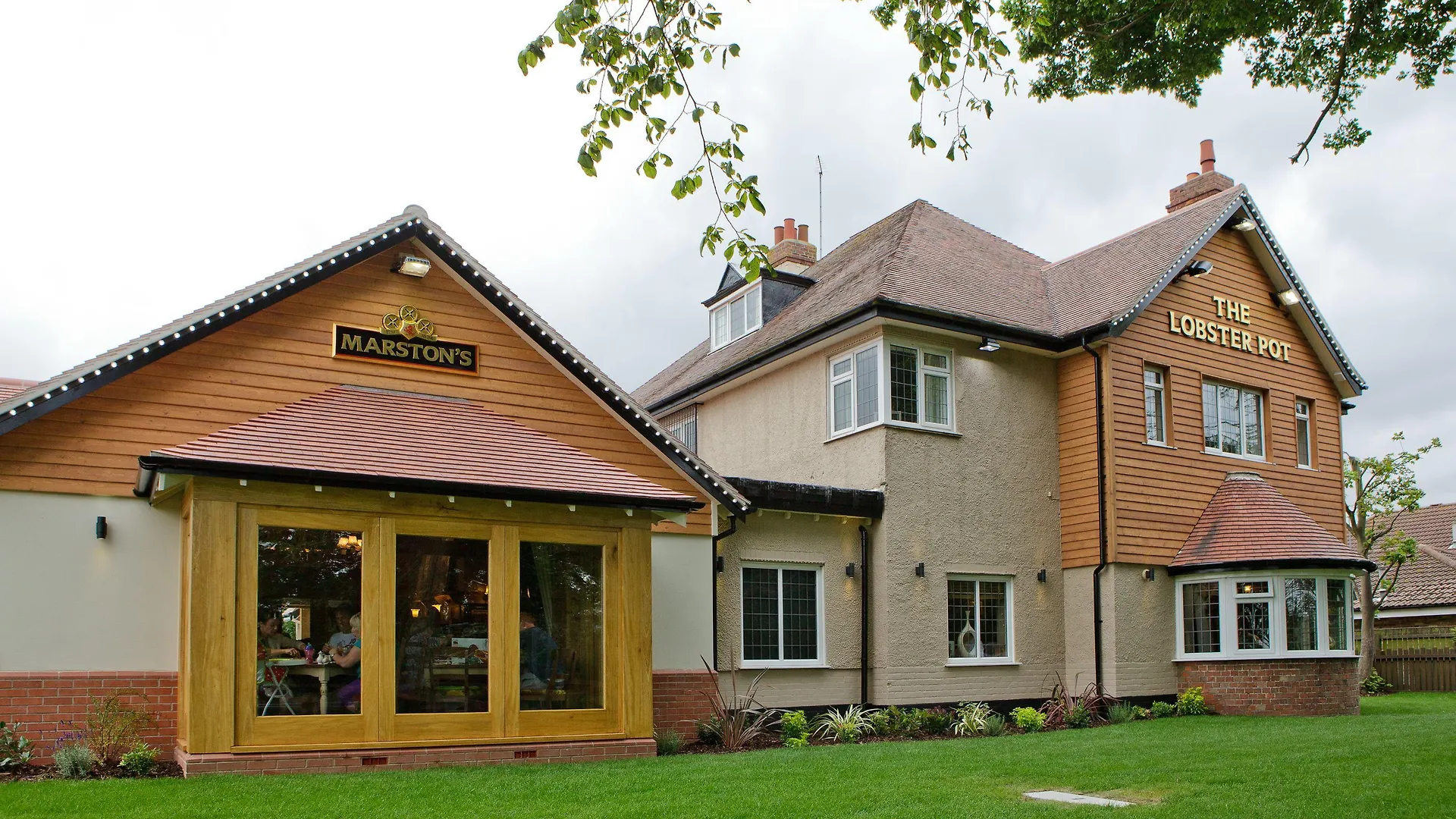
1. Lobster Pot, Bridlington By Marston'S Inn
Show on map


 Check-infrom 14:00 until 23:00Check-outuntil 11:00
Just a few rooms left at the best rate!
from£ 54
-
2. The Buck Inn, Malham
Show on map


 Check-infrom 15:00 until 22:00Check-outfrom 08:00 until 11:00
Just a few rooms left at the best rate!
from£ 73
-
3. Grassington Lodge
Show on map


 Check-infrom 16:00 until 23:30Check-outfrom 10:00 until 11:00
Just a few rooms left at the best rate!
from£ 86
-
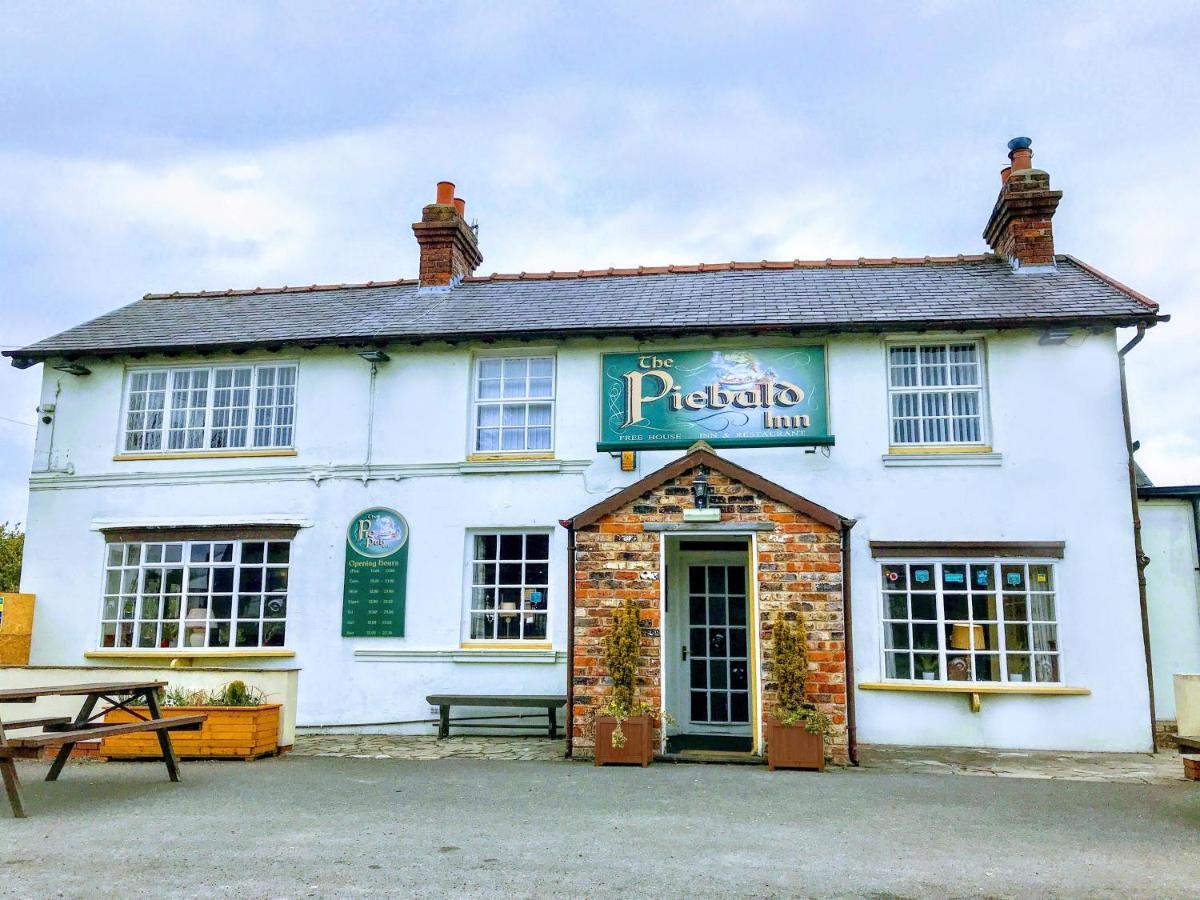
4. The Piebald Inn
Show on map


 Check-infrom 15:00 until 21:00Check-outfrom 09:00 until 11:00
Best price guarantee
from£ 159
-
5. Loftsome Bridge Hotel
Show on map


 Check-infrom 15:00 until 23:30Check-outfrom 07:00 until 10:00
Hurry – almost gone at this price!
from£ 134
-
6. The Curious Fox
Show on map


 Check-infrom 15:00 until 22:00Check-outfrom 10:00 until 11:00
Best price guarantee
from£ 107
-
7. The Ripon Inn - The Inn Collection Group
Show on map


 Check-infrom 15:00 until 23:00Check-outfrom 07:00 until 10:00
Best price guarantee
from£ 90
Best Premium Stays
These properties combine distinctive settings - cliff-top positions, historic manor houses, spa facilities, and landmark locations - with a higher level of on-site amenity, making them suited to travellers who want the region's character delivered at a more curated level.
-
8. Grand Villa Heights
Show on map


 Check-infrom 15:00 until 23:30Check-outfrom 08:00 until 10:00
Best price guarantee
from£ 213
-
2. Cave Castle Hotel
Show on map


 Check-infrom 15:00 until 23:59Check-outuntil 10:00
Rooms filling fast – secure the best rate!
from£ 85
-
10. Guy Fawkes Inn
Show on map


 Check-infrom 16:00 until 22:30Check-outfrom 07:00 until 11:00
Hurry – almost gone at this price!
from£ 137
-
11. The Old Deanery
Show on map


 Check-infrom 15:00 until 22:00Check-outfrom 07:00 until 11:00
Best price guarantee
from£ 159
-
5. The Inn On The Moor Hotel
Show on map


 Check-infrom 15:00 until 22:00Check-outfrom 08:00 until 10:00
Best price guarantee
from£ 169
-
6. Stone House Hotel
Show on map


 Check-infrom 16:00 until 22:30Check-outfrom 08:00 until 11:00
Hurry – almost gone at this price!
from£ 184
-
14. Timble Inn
Show on map


 Check-infrom 15:00 until 22:00Check-outuntil 11:00
Best price guarantee
from£ 179
-
8. Feversham Arms Hotel & Verbena Spa
Show on map


 Check-infrom 15:00 until 23:00Check-outfrom 07:00 until 11:00
Rooms filling fast – secure the best rate!
from£ 193
Smart Travel & Timing Advice For Yorkshire
Yorkshire's peak visitor season runs from late June through August, when the national parks, coastal resorts, and heritage sites operate at full capacity. Prices at popular properties in Whitby, Scarborough, and Helmsley can rise by around 35% compared to the same rooms in May or September, with availability in smaller village hotels often exhausted 8 weeks ahead of summer weekends. The shoulder seasons - late April to early June and September to October - offer the best balance of weather, access, and value across most of the county. York operates at a high year-round occupancy level due to its conference and heritage tourism profile, so advance booking is advisable regardless of season. For the Yorkshire Dales and North York Moors, a stay of at least 3 nights is realistic to make the most of the landscape without spending a disproportionate amount of time driving between locations. Last-minute availability in rural areas is genuinely rare in summer - late bookings at quality properties are viable only in November through March, when walking and cycling tourism drops significantly. Winter stays in country house hotels like Stone House or Cave Castle offer a notably different and often underpriced experience compared to the same properties in peak season.