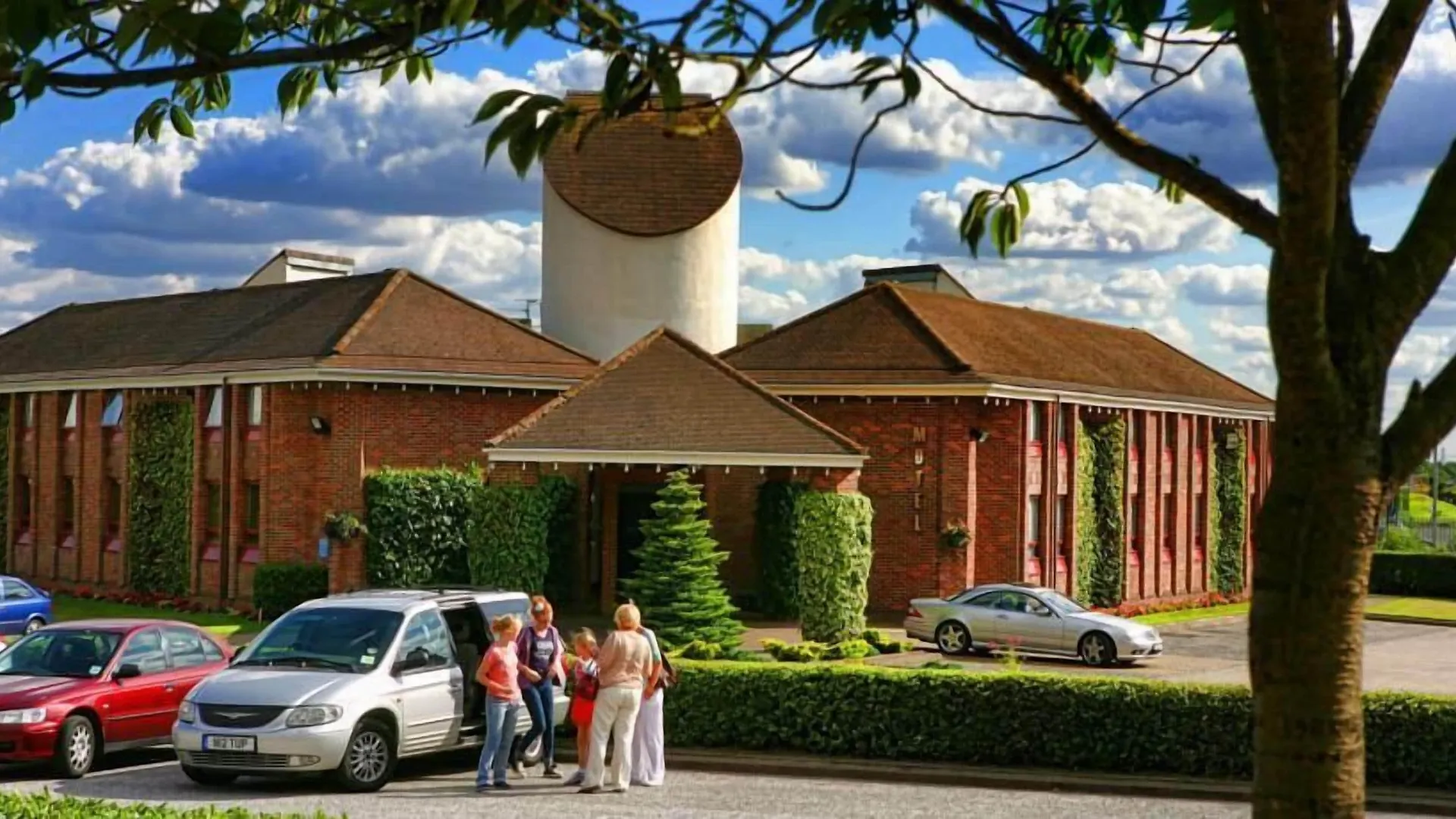
Lincolnshire's coastline stretches across the North Sea edge of the East Midlands, anchored by seaside towns like Cleethorpes and backed by the flat fenlands that make the county instantly recognisable. Whether you're after a beachfront base for a weekend escape or a countryside retreat within easy reach of the coast, the region offers a wider variety of accommodation than most visitors expect - from 18th-century grange hotels near the Humber estuary to boutique properties set within Elizabethan estates.
What It's Like Staying In Lincolnshire
Lincolnshire is one of England's least-crowded counties, which works firmly in favour of visitors who want space, slower pace, and value for money. The county's coastline runs for around 50 kilometres, from Cleethorpes in the north to Skegness in the south, with the Lincolnshire Wolds - an Area of Outstanding Natural Beauty - sitting just inland. Transport by car is the dominant mode here; rail connections exist but are limited to a few key routes, and many coastal towns rely heavily on road access. Crowd pressure is heavily seasonal: summer weekends in Cleethorpes and Skegness can feel genuinely busy, particularly during school holidays, while spring and autumn visits reward travellers with far quieter beaches and lower rates. Families, couples on short breaks, and nature-focused travellers benefit most from basing here; those requiring fast city connectivity or extensive public transport links may find the logistics frustrating.
Pros:
- Long, accessible coastline with beaches that are far less crowded than southern England equivalents
- Accommodation costs run noticeably lower than comparable coastal counties like Norfolk or Dorset
- Strong base for combining coast, countryside (Lincolnshire Wolds), and heritage (Lincoln Cathedral, Burghley House)
Cons:
- Public transport between coastal towns and inland attractions is sparse and often requires changes
- Summer school holiday periods push coastal town footfall up sharply, especially in Cleethorpes
- Limited high-end dining and nightlife infrastructure outside Lincoln and Stamford
Why Choose Beach Hotels In Lincolnshire
Beach hotels in Lincolnshire serve a distinctly different traveller profile than the English south coast - they cater to guests who value direct coastal access without premium resort pricing. Properties positioned near or facing the beach in towns like Cleethorpes typically offer more space per pound than equivalent beachfront hotels in Cornwall or Brighton, and many retain a traditional British seaside character that has become genuinely rare. Rates at Lincolnshire beach hotels can run around 40% lower than comparable beachfront properties in more-marketed coastal counties, making them a strong option for families or couples who want sea views without stretching the budget. The trade-off is that coastal infrastructure - in terms of fine dining, spa facilities, and evening entertainment - is more limited than in established resort regions. Room sizes in coastal Lincolnshire hotels tend to be generous by UK standards, as properties have not been forced into the space compression common in London or Bath.
Pros:
- Direct or near-direct beach access without resort-level pricing
- Rooms tend to offer more space than equivalent-priced urban UK hotels
- Humberside Airport is within 27 km of Cleethorpes, making fly-in coastal breaks genuinely practical
Cons:
- Spa, wellness, and fine-dining options are limited compared to established English coastal resorts
- Coastal towns like Cleethorpes have a traditional British seaside feel that won't appeal to all traveller types
- Off-season, some beach-adjacent restaurants and attractions reduce hours or close entirely
Practical Booking & Area Strategy
For coastal access, Cleethorpes is the strongest base in northern Lincolnshire - the beach is walkable from the town centre, and the promenade has cafés, amusements, and a traditional pier atmosphere. Grimsby sits adjacent and adds practical amenities including supermarkets and transport links toward Hull. Further south, Skegness draws a more family-oriented crowd during summer but can feel thin on options outside peak season. Inland, Stamford is one of England's finest Georgian market towns and makes a strong alternative base for travellers combining heritage and countryside - Burghley House is a five-minute walk from the town centre. Lincoln itself, while not coastal, sits around 40 kilometres from the coast and provides a more connected hub with its cathedral, castle, and rail links. Book coastal Lincolnshire stays at least 6 weeks ahead for July and August, particularly if you need family rooms or beach-facing positions. Spring and October offer the best value windows with manageable crowds.
Best Value Beach & Coastal Stays
These properties offer strong practicality for travellers prioritising beach access, coastal proximity, or competitive nightly rates in Lincolnshire's northern coastal zone.
-
1. Kingsway Hotel.
Show on map


 Check-infrom 14:00 until 22:00Check-outuntil 11:00
Just a few rooms left at the best rate!
from£ 93
-
2. Damon'S Hotel
Show on map


 Check-infrom 15:00 until 23:59Check-outuntil 11:00
Just a few rooms left at the best rate!
from£ 48
-
3. Beldon House
Show on map


 Check-infrom 15:00 until 22:00Check-outuntil 11:00
Hurry – almost gone at this price!
from£ 77
Best Premium Stays In Lincolnshire
These two properties deliver a noticeably higher specification - whether through heritage character, fine dining credentials, or estate-level setting - for travellers prioritising experience over simply coastal proximity.
-
4. Stallingborough Grange Hotel
Show on map


 Check-infrom 15:00 until 23:30Check-outfrom 05:00 until 11:00
Hurry – almost gone at this price!
from£ 94
-
5. The William Cecil
Show on map


 Check-infrom 15:00 until 23:00Check-outfrom 07:00 until 11:00
Rooms filling fast – secure the best rate!
from£ 93
Smart Travel & Timing Advice For Lincolnshire
Lincolnshire's coastal towns peak sharply in July and August, when Cleethorpes and Skegness attract significant day-tripper and short-break traffic from the East Midlands and Yorkshire. Beachfront and beach-adjacent rooms book out fastest during this window, and rates at coastal properties can increase by around 35% compared to the same rooms in May or September. For the best combination of weather, open attractions, and manageable crowds, late May and early September are the strongest booking windows - sea temperatures are still reasonable, the main promenade businesses are fully operational, and weekday rates drop considerably. A two-night stay is the practical minimum for coastal Lincolnshire - enough to cover a beach day, a Cleethorpes evening, and a day trip inland to Lincoln or the Wolds. Travellers targeting Burghley House or Stamford should check the Burghley Horse Trials dates in early September, when the William Cecil and surrounding accommodation fills completely within days of bookings opening. Last-minute deals are rare on coastal summer weekends but more accessible for inland and B&B properties outside the peak school holiday block.