Toronto is Canada's largest city, and choosing where to stay shapes your entire experience - whether you're here for business at the Financial District, culture in the Distillery District, or family time near the waterfront. This guide breaks down 4 hotels across different Toronto neighborhoods, so you can match your accommodation to your actual itinerary, not just a star rating.
What It's Like Staying in Toronto
Toronto is a city of distinct neighborhoods, and where you sleep determines how much you walk, which transit lines you use, and how quickly you reach your priorities. The TTC subway is functional but covers less ground than visitors expect - many popular areas like the Distillery District or Scarborough require buses or rideshares. Downtown core hotels put you within walking distance of the CN Tower, Scotiabank Arena, and the waterfront, while midtown and east-end options trade proximity for quieter surroundings and often lower nightly rates.
Pros:
Exceptional transit access from Union Station connects downtown hotels to Pearson Airport via UP Express in around 25 minutes
Toronto's neighborhoods are highly walkable within zones - staying near Yonge-Dundas puts most central attractions under 20 minutes on foot
The city has a strong dining and entertainment scene concentrated in the Entertainment District and King West, easily accessible from central hotels
Cons:
Traffic congestion on major arteries like the Gardiner Expressway makes east-west road travel slow, especially during peak hours
Hotels in suburban areas like Scarborough offer lower prices but require 40+ minute commutes to downtown attractions
Toronto hotel prices spike significantly during major events at Rogers Centre or Scotiabank Arena - booking without checking the events calendar is a costly mistake
Why Choose a Hotel in Toronto
Full-service hotels in Toronto offer a consistency that short-term rentals in this city often can't match - particularly for business travelers or families who need reliable amenities, 24-hour front desks, and on-site dining without navigating unfamiliar neighborhoods. Downtown Toronto hotels frequently include direct PATH network access, the underground pedestrian walkway connecting over 30 km of offices, malls, and transit hubs - a significant practical advantage in winter. Mid-range hotels in Toronto typically run around CAD 180-220 per night in shoulder season, while premium downtown properties average around CAD 300+ with event surcharges layered on top.
Pros:
On-site pools, fitness centers, and restaurants eliminate the need to scout unfamiliar areas for basic amenities
PATH-connected hotels let guests move between Union Station, the convention center, and shopping centers without going outdoors - crucial from November through March
Hotels near major venues reduce Uber/taxi costs that add up quickly in a spread-out city like Toronto
Cons:
Downtown Toronto parking typically costs around CAD 40-55 per night at most hotels - a significant add-on for drivers
Room sizes at city-center hotels are often compact relative to price, especially in older builds
Noise from King Street or the Entertainment District can disrupt light sleepers in street-facing rooms
Practical Booking & Area Strategy
For first-time visitors focused on sightseeing, hotels near Front Street West or Bremner Boulevard place you within walking distance of the CN Tower, Ripley's Aquarium, Rogers Centre, and Scotiabank Arena - the highest-concentration attraction zone in the city. Travelers attending events at the Metro Toronto Convention Centre benefit most from PATH-connected properties, eliminating outdoor transit entirely. For families planning day trips to Toronto Zoo or Ontario Science Centre, east-end neighborhoods like Scarborough cut driving time significantly compared to commuting from downtown. The Yonge-Dundas area is a strong middle ground - central subway access, walkable to the Art Gallery of Ontario, and close to the Toronto Eaton Centre for shopping. Book at least 6 weeks ahead for stays during TIFF (September), NHL season openers, or major concerts - nightly rates at downtown hotels can increase by around 60% during those windows.
Best Value Stays
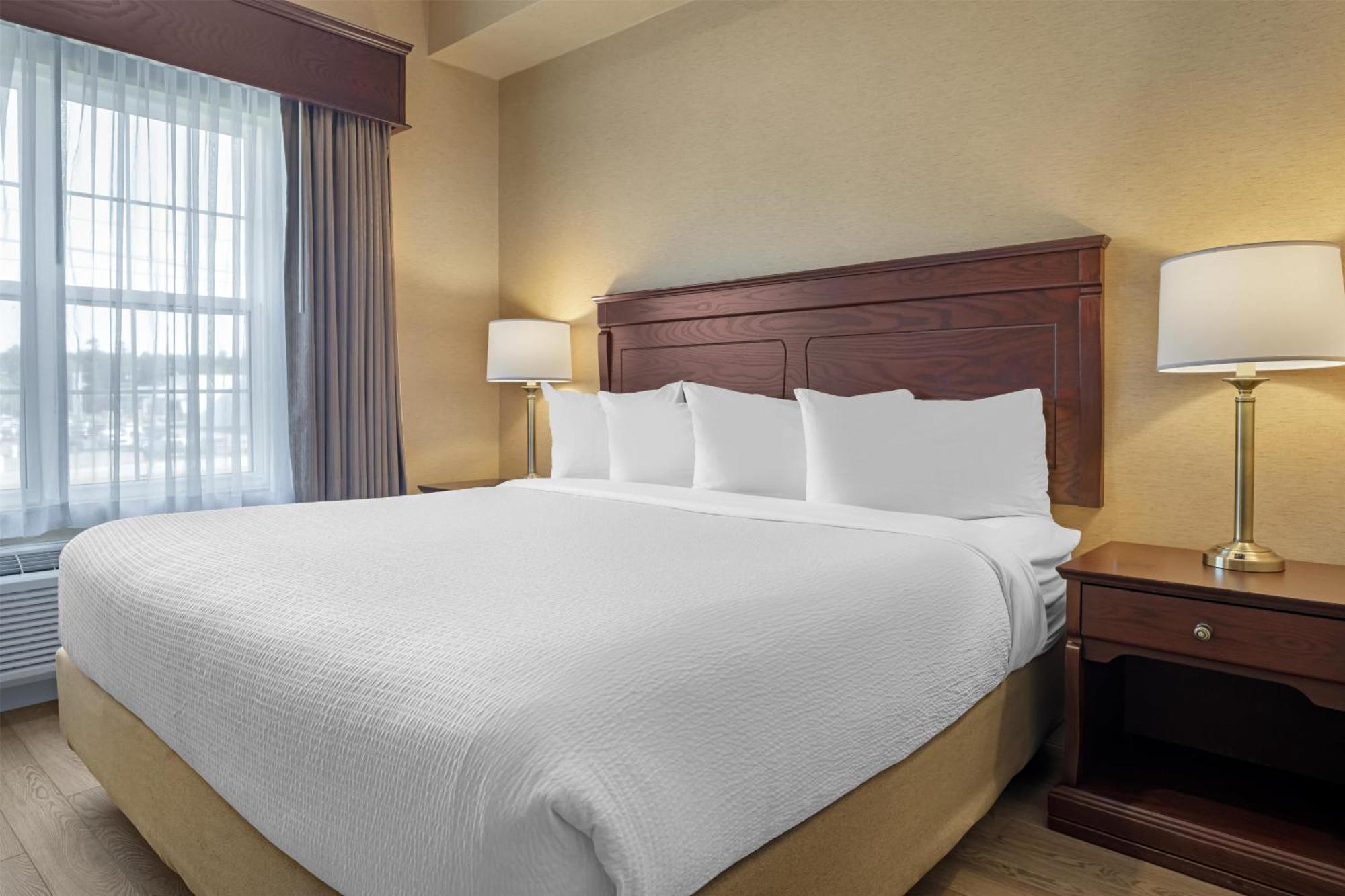
These properties deliver strong value for travelers who prioritize practicality - whether that means proximity to family attractions, subway access, or competitive nightly rates without sacrificing key amenities.
-
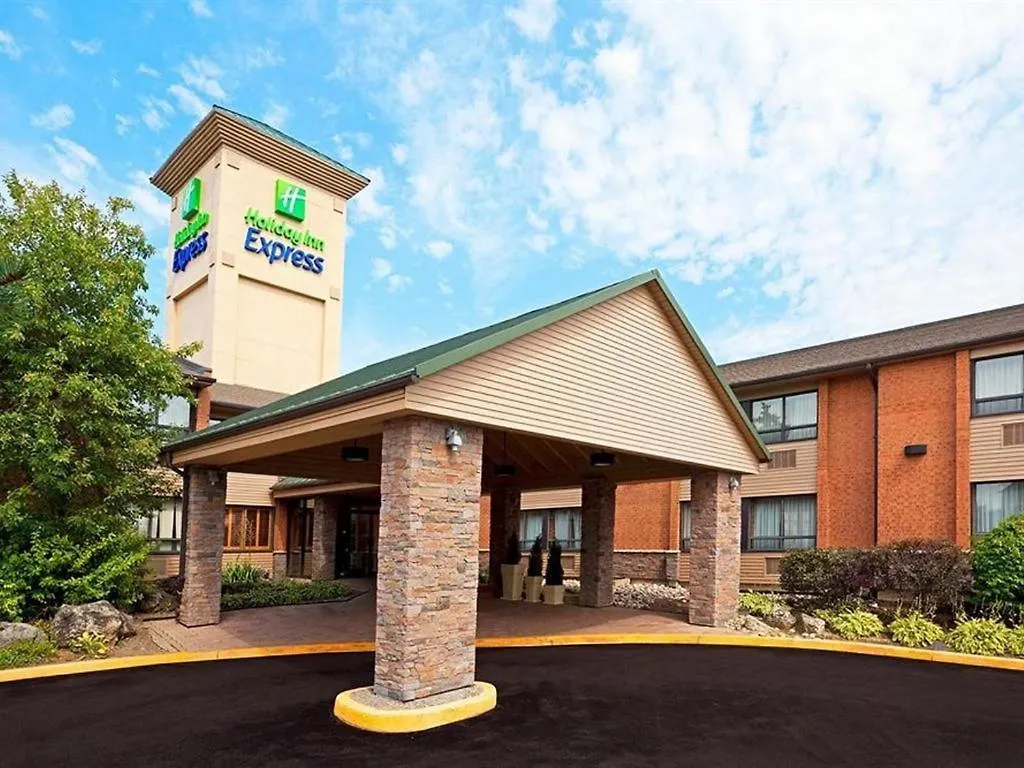
1. Holiday Inn Express Toronto East - Scarborough By Ihg
Show on map


 Check-infrom 15:00 until 23:59Check-outuntil 11:00
Just a few rooms left at the best rate!
-
2. Chelsea Hotel Toronto
Show on map


 Check-infrom 15:00 until 23:59Check-outuntil 11:00
Just a few rooms left at the best rate!
fromC$ 288
Best Premium Stays
These properties are positioned for travelers who want direct access to Toronto's top business and leisure hubs, full-service dining, and amenities that justify a higher nightly rate - particularly for corporate stays or special occasion visits.
-
3. Crowne Plaza Toronto - North York By Ihg
Show on map


 Check-infrom 15:00 until 23:59Check-outuntil 11:00
Hurry – almost gone at this price!
fromC$ 208
-
4. Delta Hotels By Marriott Toronto
Show on map


 Check-infrom 16:00 until 23:59Check-outuntil 12:00
Rooms filling fast – secure the best rate!
fromC$ 233
Smart Travel & Timing Advice for Toronto
Toronto's peak hotel demand clusters around three windows: summer (June through August) when the waterfront and outdoor attractions draw the largest crowds, September during the Toronto International Film Festival, and October through April when NHL and NBA seasons drive consistent event-night spikes. Book at least 6 weeks in advance for any stay coinciding with a major Rogers Centre or Scotiabank Arena event - same-week availability at downtown properties collapses fast and prices reflect it. Shoulder season - specifically late April through May and October - delivers the best balance of reasonable rates and manageable crowds, with most attractions fully operational. For most visitors, a stay of around 4 nights covers downtown sightseeing, a day trip to Niagara Falls (around 90 minutes by bus or car), and a relaxed arrival and departure day. Last-minute bookings work best for east-end properties like Scarborough, where demand is less event-driven, but downtown hotels rarely discount meaningfully inside 2 weeks of arrival during active seasons.