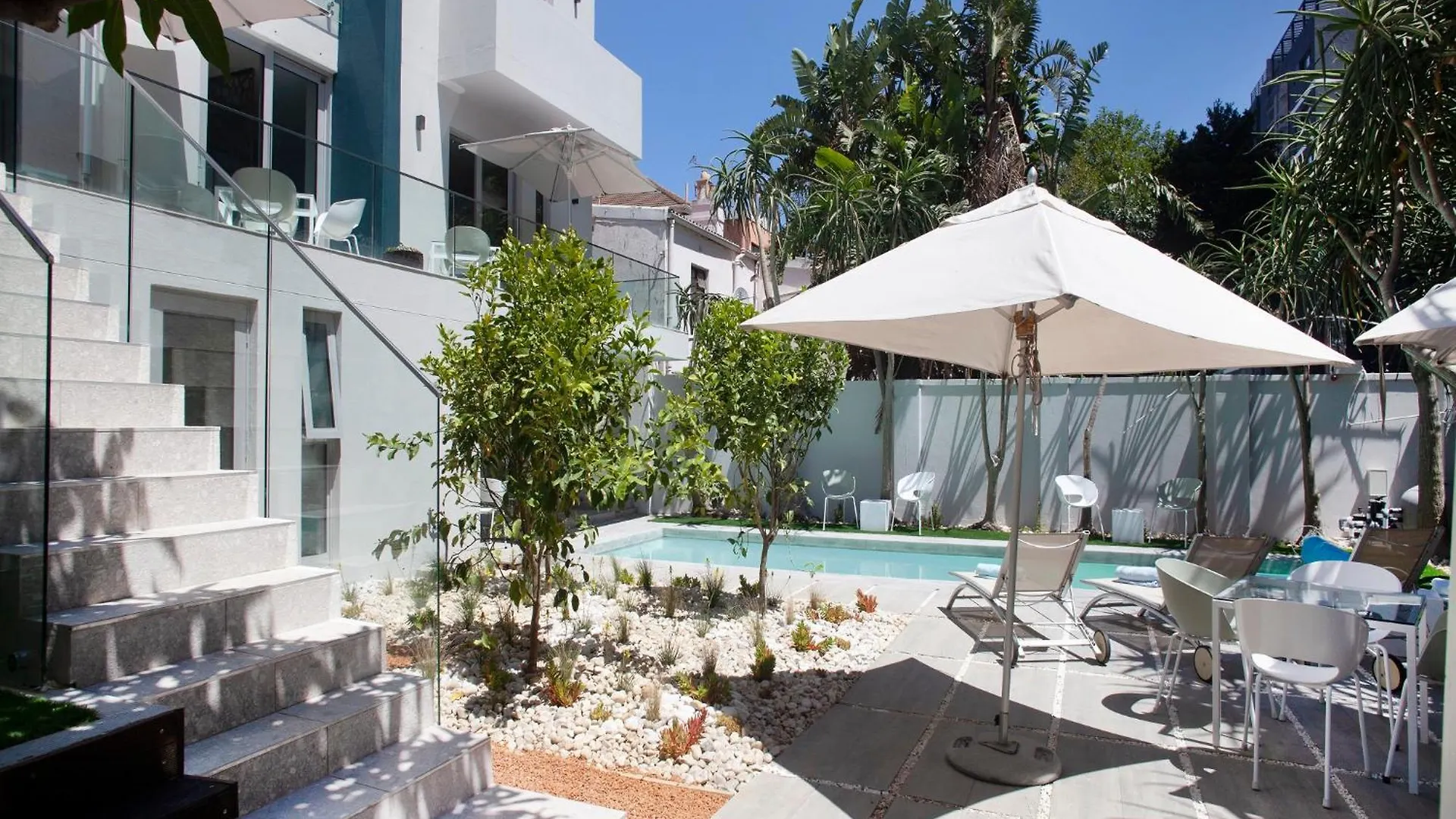
Cape Town CBD is not a single neighbourhood - it stretches from the Foreshore's convention corridor to Green Point's art-driven streets, with Long Street cutting through the commercial and cultural core. Choosing a design hotel in Cape Town CBD means trading predictable chain interiors for spaces where architecture, local art, and considered amenities do the talking. The four properties in this guide span that range, from a Bauhaus-influenced boutique with a 10-metre pool to a remodelled full-service hotel steps from the CTICC, giving travellers a realistic cross-section of what this part of the city genuinely offers.
What It's Like Staying in Cape Town CBD
The CBD functions as Cape Town's weekday engine: the streets around Buitenkant, Hertzog Boulevard, and Adderley Street fill quickly during morning commuter hours and thin out noticeably after 18:00. Walkability during daylight is a real advantage here - Greenmarket Square, St George's Mall, and the Company's Garden are all reachable on foot from most CBD addresses in under 15 minutes. After dark, however, the mood shifts; solo walking on quieter blocks is not advisable, and most guests rely on Uber or the hotel shuttle to move between the CBD and the V&A Waterfront. Around 80% of the city's key business infrastructure - the CTICC, legal chambers, government buildings - sits within or immediately adjacent to the CBD, making it a logical base for anyone with professional commitments in the city.
Pros:
- * Direct walking access to Greenmarket Square, St George's Mall, and the Company's Garden
- * Uber is cheap, reliable, and available around the clock across the CBD
- * Central position cuts transit time to the V&A Waterfront, Bo-Kaap, and Table Mountain cableway
Cons:
- * Street-level energy drops sharply after early evening, limiting spontaneous night walks
- * Traffic congestion on Hertzog Boulevard and Buitenkant Street during peak hours adds commute time
- * Beaches at Clifton and Camps Bay require a drive or rideshare - they are not walkable from the CBD
Why Choose Exceptional Design Hotels in Cape Town CBD
Design-led hotels in Cape Town CBD are not just an aesthetic choice - they are a structural one. Unlike standard business hotels along the Foreshore, design properties here tend to invest in spatial storytelling: curated art collections, Bauhaus or industrial references tied to the building's heritage, or rooftop experiences that frame Table Mountain as a deliberate view. Room sizes in this category vary sharply; boutique properties typically run smaller - around 22-28 sqm for a standard room - while larger branded design hotels offer more generous layouts with soundproofing that counters the CBD's midweek traffic noise. Price positioning in this category sits roughly 20% above comparable mid-range hotels in the same district, reflecting the design investment, smaller guest counts, and more personal service ratios. The trade-off is real: you get a more curated stay but often fewer on-site amenities than a full-service tower hotel on the Waterfront.
Pros:
- * Architectural character and local art curation that generic hotels in the district lack
- * Smaller guest-to-staff ratios in boutique properties mean faster, more personal responses
- * Rooftop pools and terraces in several properties deliver unobstructed Table Mountain sightlines
Cons:
- * Standard rooms in boutique design hotels are often compact - expect tighter wardrobe and desk space
- * Fewer amenities on-site compared to large branded hotels: no conference suites or dedicated concierge lobbies in smaller properties
- * CBD street noise penetrates lighter-construction boutique buildings more than soundproofed tower hotels
Practical Booking & Area Strategy
The strongest micro-locations for design hotels in Cape Town CBD cluster in two zones: the Foreshore strip along Buitenkant and Lower Bree Street, where CTICC proximity gives you direct convention access, and the Green Point fringe along Somerset Road and High Level Road, where the pace is quieter and the V&A Waterfront is a 10-minute walk. Longmarket Street in the city centre core - home to Cape Diamond Boutique Hotel - puts guests within 5 minutes on foot of Greenmarket Square and the Dutch Reformed-era architecture of the Old Town House. For transport, the MyCiTi bus network connects the CBD to the V&A Waterfront and Sea Point, but Uber remains the most practical option for evening trips. Table Mountain's cableway operates seasonally and books up fast in December and January; peak season hotel rates in the CBD spike from mid-December through February, when the Cape's summer draws both international tourists and domestic South African holidaymakers. Booking 8 weeks in advance during this window is a minimum - not a suggestion.
Best Value Design Stays
These two properties deliver strong design credentials and a genuine sense of place at a price point that doesn't require a corporate travel budget - both sit within the CBD's accessible tier without sacrificing the defining features that make a design stay worth choosing.
-
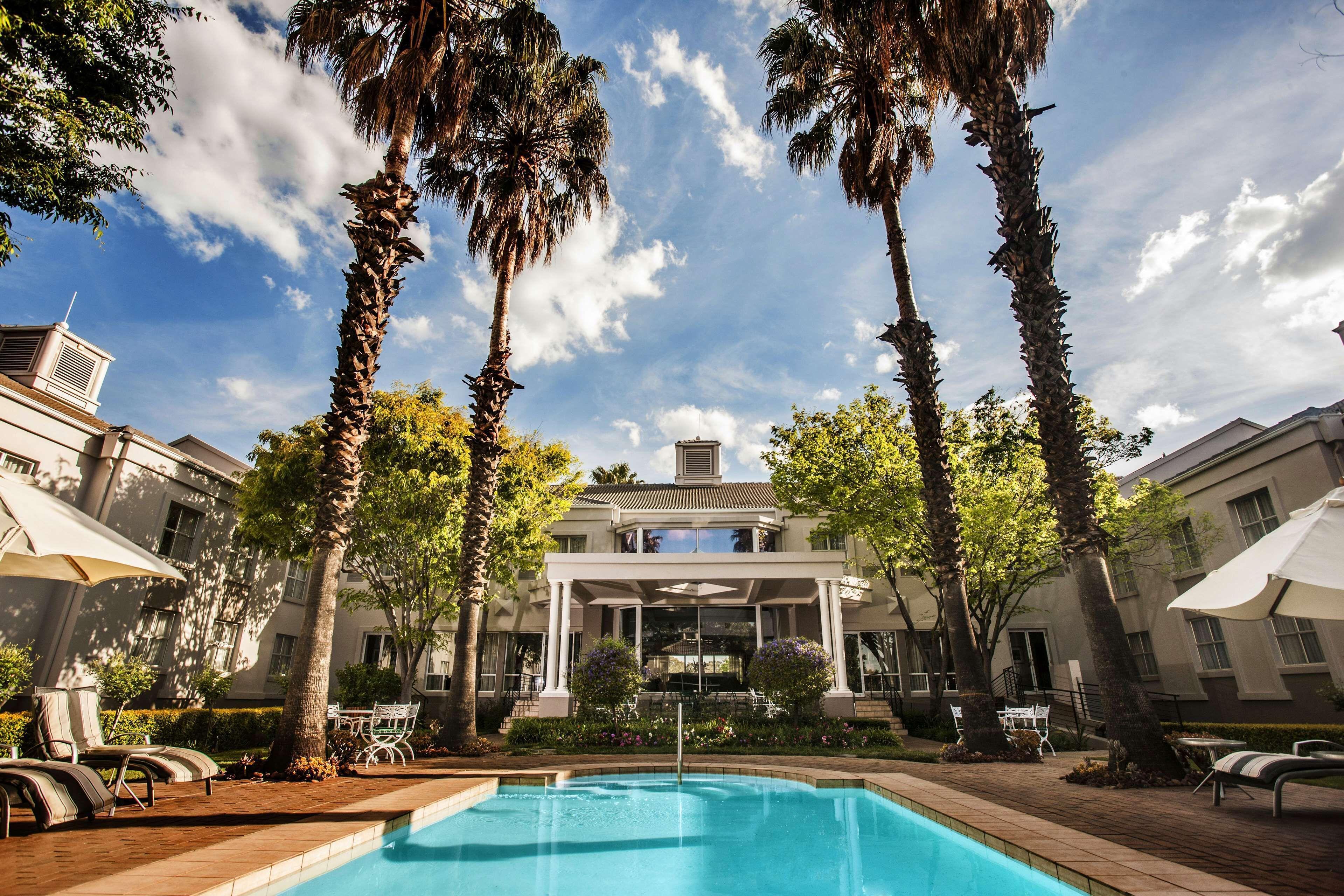
1. Zest Boutique Hotel By The Living Journey Collection
Show on map


 Check-infrom 14:00 until 21:00Check-outfrom 05:00 until 11:00
Just a few rooms left at the best rate!
fromR 2297
-
2. Cape Diamond Boutique Hotel
Show on map


 Check-infrom 14:00 until 23:30Check-outfrom 07:00 until 10:00
Just a few rooms left at the best rate!
fromR 558
Best Premium Design Stays
These two properties step up in scale, on-site facilities, and service infrastructure - both have been remodelled or built to meet the expectations of guests who want design thinking alongside full-service hotel depth, whether arriving for Cape Town's conference season or for extended leisure stays.
-
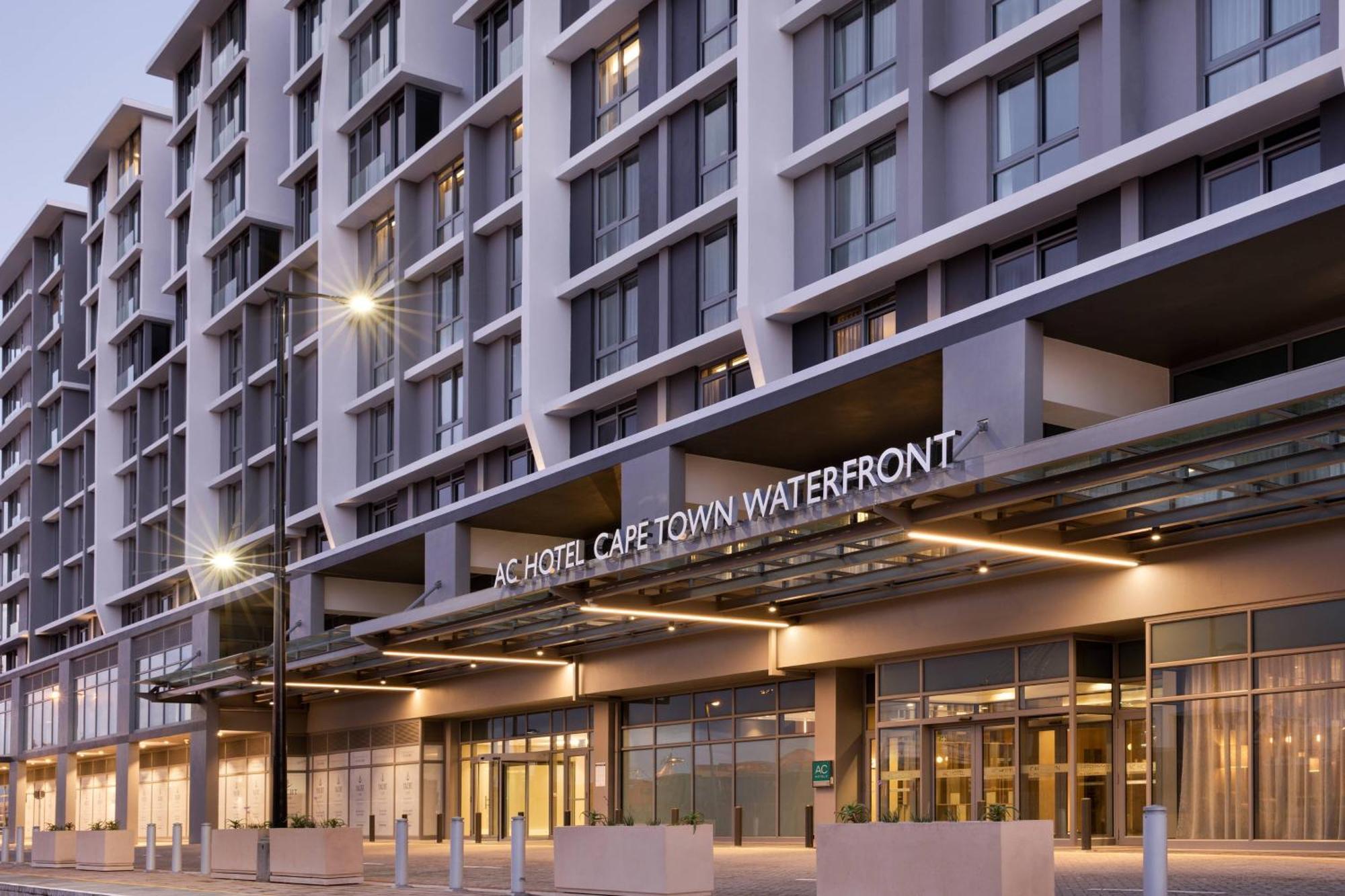
3. Ac Hotel By Marriott Cape Town Waterfront
Show on map


 Check-infrom 15:00 until 23:59Check-outuntil 12:00
Hurry – almost gone at this price!
fromR 2264
-
4. Southern Sun The Cullinan
Show on map


 Check-infrom 14:00 until 23:59Check-outuntil 11:00
Rooms filling fast – secure the best rate!
fromR 2838
Smart Timing and Booking Advice for Cape Town CBD
Cape Town's CBD operates on a clear seasonal rhythm that directly affects both availability and pricing at design hotels. December through February is peak season - the Southern Hemisphere summer brings maximum daylight, the best weather for outdoor pools and rooftop terraces, and the highest hotel rates of the year, with prices in this category climbing around 35% above winter rates. The Cape Town International Jazz Festival in late March and the Cape Town Cycle Tour in early March create secondary demand spikes that catch many travellers off-guard - book at least 10 weeks in advance if your dates overlap with either event. The quietest and most cost-effective window is June through August: the CBD empties of tourists, design hotels offer their lowest rates, and the Table Mountain Cableway typically closes for maintenance in late July, so plan Table Mountain access for early in a winter stay. For stays of 3 nights or fewer, positioning in the CBD core - Longmarket Street, Buitenkant, Lower Bree Street - maximises walkable access without the need for a rental car. Stays of 5 nights or more benefit from a Green Point or Foreshore base, where shuttle connections and Uber access to beaches and the Waterfront become more relevant over a longer itinerary. Last-minute deals do surface in May and September, but design hotels in this category rarely discount their best room types - early booking remains the stronger strategy for harbour-view or suite categories.