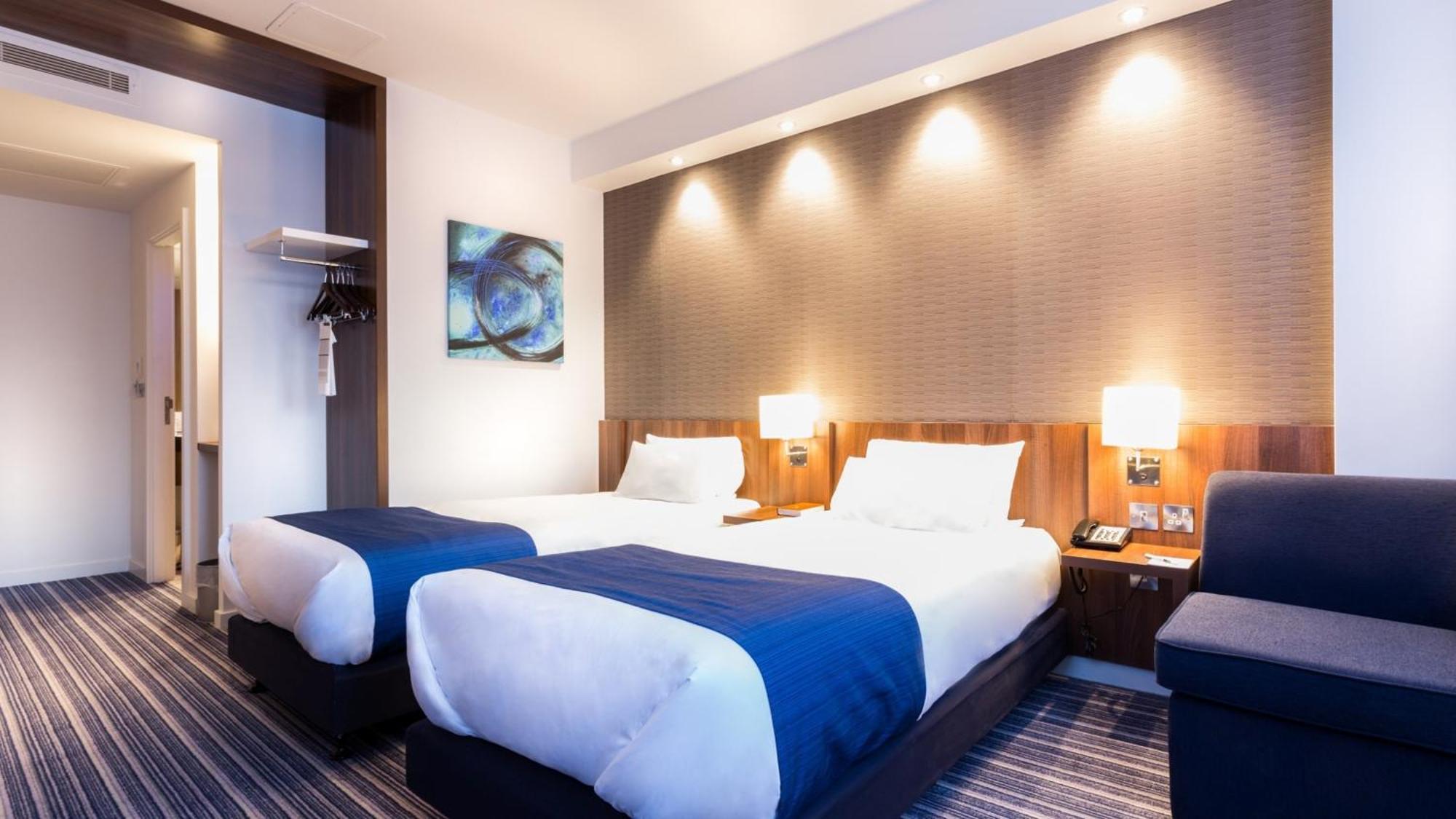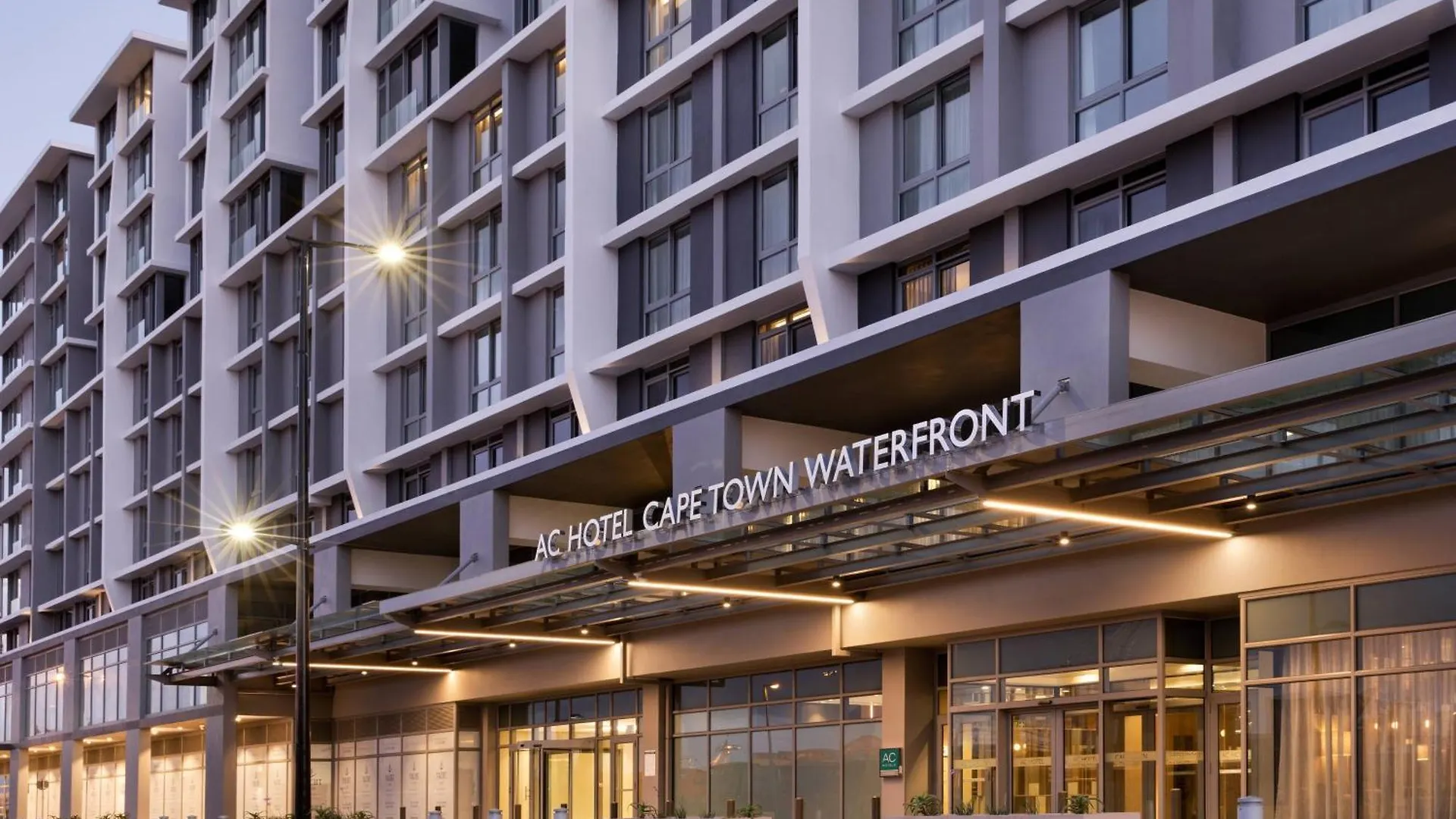
Cape Town's City Bowl concentrates three distinct design hotels within a walkable arc that runs from the slopes of Table Mountain down to the Foreshore - each with a sharply different visual language, room profile, and price position. Whether you're anchoring yourself on Kloof Street for boutique intimacy or choosing a Foreshore address for CTICC proximity, the design hotel options here are specific enough to match your travel priorities rather than just your budget.
What It's Like Staying in City Bowl
City Bowl is Cape Town's urban core - compressed between Table Mountain to the south and the Foreshore to the north - which means almost every hotel here sits within a 15-minute walk of Long Street, Bree Street, and the Houses of Parliament. The walking reality is genuinely useful for daytime exploration: De Waterkant, the Bo-Kaap, and Greenmarket Square are all reachable on foot without needing to plan transport. After dark, the rhythm shifts; Uber is the practical choice for most visitors since the CBD blocks between Strand Street and the harbour see noticeably less foot traffic once restaurants close.
City Bowl suits travellers who want Cape Town's cultural density - galleries, independent restaurants on Bree Street, rooftop bars - without a car. Those prioritising beach time at Camps Bay or Clifton will find themselves calling an Uber for around every second activity, as the Atlantic Seaboard is a different zone entirely.
Pros:
- * Walking access to the Castle of Good Hope, Bo-Kaap, and the entire Long Street restaurant and bar corridor without transport costs
- * Central position makes day-trip logistics to Stellenbosch, Hout Bay, and the Cape Peninsula straightforward from a single base
- * Design hotel density here is among the highest in Cape Town, with strong architectural variety across budget tiers
Cons:
- * Some CBD streets between Adderley and the Foreshore feel noticeably quieter - and less safe - at night, making Uber a non-negotiable rather than optional
- * Hotels on the lower Foreshore fringe sit farther from the restaurant clusters on Kloof Street and Bree Street than map distance suggests on foot
- * No beach access within walking distance; Camps Bay and Sea Point both require a vehicle or rideshare
Why Choose an Exceptional Design Hotel in City Bowl
Design hotels in City Bowl are not a uniform category - the term spans an eight-room boutique perched on the Table Mountain slopes to a 200-plus-key branded hotel on the Foreshore with meeting rooms and a fitness centre. What they share is a deliberate architectural or interior identity that separates them from generic business accommodation. Price positions span from mid-range city-centre rates up to boutique premiums that can run around 40% above a standard 3-star property in the same district. Room sizes at boutique end tend to be more considered and curated than large, so travellers who value character over square metreage get the better deal.
The practical trade-off in this district is noise: rooms facing Long Street or Buitengracht absorb weekend nightlife sound until late, making soundproofing a real differentiator rather than a marketing line. Design hotels here tend to front-load their investment into common spaces - rooftop pools, lobby bars, curated art - which pays off when you're spending evenings in the hotel rather than always heading out.
Pros:
- * Architecturally distinct interiors that reflect Cape Town's material culture - African art, heritage stonework, mountain-facing terraces - rather than generic international hotel aesthetics
- * Rooftop and pool facilities at City Bowl design hotels typically offer Table Mountain or city skyline views that standard accommodation in this zone cannot match
- * Boutique properties on Kloof Street and the Gardens sub-district offer immediate access to Cape Town's independent dining scene without the noise exposure of the CBD core
Cons:
- * Boutique design hotels in City Bowl often have limited room counts, meaning availability disappears quickly in peak summer season and rates reflect that scarcity
- * Parking at design properties in the CBD is frequently offsite or charged separately, adding a daily cost that standard chain hotels sometimes absorb
- * Smaller boutique operations may lack the 24-hour staffing depth of larger branded hotels, which matters for late arrivals or complex concierge needs
Practical Booking & Area Strategy
The strongest positioning within City Bowl for design hotels sits along the Kloof Street corridor and the lower Gardens neighbourhood - you're within a short walk of both Bree Street's restaurant strip and the Table Mountain cableway lower station, without absorbing the full noise of the Long Street nightlife zone. The Foreshore addresses near Dockrail Road place you closer to the CTICC and the V&A Waterfront shuttle point but further from the independent dining cluster; that trade-off is worth it specifically if your trip centres on conference attendance or Waterfront access rather than street-level exploration.
Book City Bowl design hotels at least 10 weeks ahead for December and January stays, when Cape Town's peak summer draws high occupancy across all categories and prices across the district climb sharply. The shoulder window of October-November and March-April delivers the most competitive rates while still offering warm, dry weather suitable for Table Mountain hikes and open-air dining on Bree Street. MyCiTi Bus Route 104 connects the Foreshore to the V&A Waterfront in under 15 minutes and costs a fraction of Uber for daytime transfers, but Uber remains the practical night-time standard. The Castle of Good Hope, Greenmarket Square, and the District Six Museum are all reachable on foot from most City Bowl hotels - no day-tour required for those specific attractions.
Best Value Design Stays
These two properties offer well-defined design identities and strong City Bowl positioning at rates that justify the category without the boutique premium of a sole-occupancy property.
-
1. Ac Hotel By Marriott Cape Town Waterfront
Show on map


 Check-infrom 15:00 until 23:59Check-outuntil 12:00
Just a few rooms left at the best rate!
fromR 2252
-
2. Cape Diamond Boutique Hotel
Show on map


 Check-infrom 14:00 until 23:30Check-outfrom 07:00 until 10:00
Hurry – almost gone at this price!
fromR 555
Best Premium Design Stay
For travellers prioritising architectural character, intimate scale, and a Table Mountain-facing position over broader hotel infrastructure, one property in this City Bowl selection stands clearly apart.
-
3. Kensington Place
Show on map


 Check-infrom 14:00 until 23:59Check-outfrom 01:00 until 11:00
Rooms filling fast – secure the best rate!
fromR 6037
Smart Travel & Timing Advice for City Bowl
Cape Town's City Bowl peaks hard between mid-December and late January - hotel availability across all design properties tightens weeks out and rates across the district climb steeply, with accommodation prices running around 50% above shoulder season levels. Book at least 10 weeks ahead for any December or January stay if you want meaningful room-type choice at these properties. The October-November and March-April windows are the most strategically sound: weather remains warm and dry, Table Mountain is accessible without the summer wind closures that frequently shut the cableway in January, and rates reflect genuine value. City Bowl design hotels also fill quickly around major events at the CTICC and during the Cape Town Jazz Festival in late March - check the CTICC calendar before assuming March is a quiet month.
A minimum of three nights in City Bowl is the practical threshold to cover the walkable attractions - Bo-Kaap, Greenmarket Square, Bree Street dining, and the District Six Museum - without feeling rushed. Last-minute bookings in peak season are a poor strategy here; the small room counts at boutique properties like Kensington Place mean they sell out well before arrival windows, and the remaining inventory at that stage skews toward larger, less characterful properties. For the best rate-to-experience ratio across all three hotels in this guide, target the first two weeks of November or the last two weeks of March.